936-856-7894


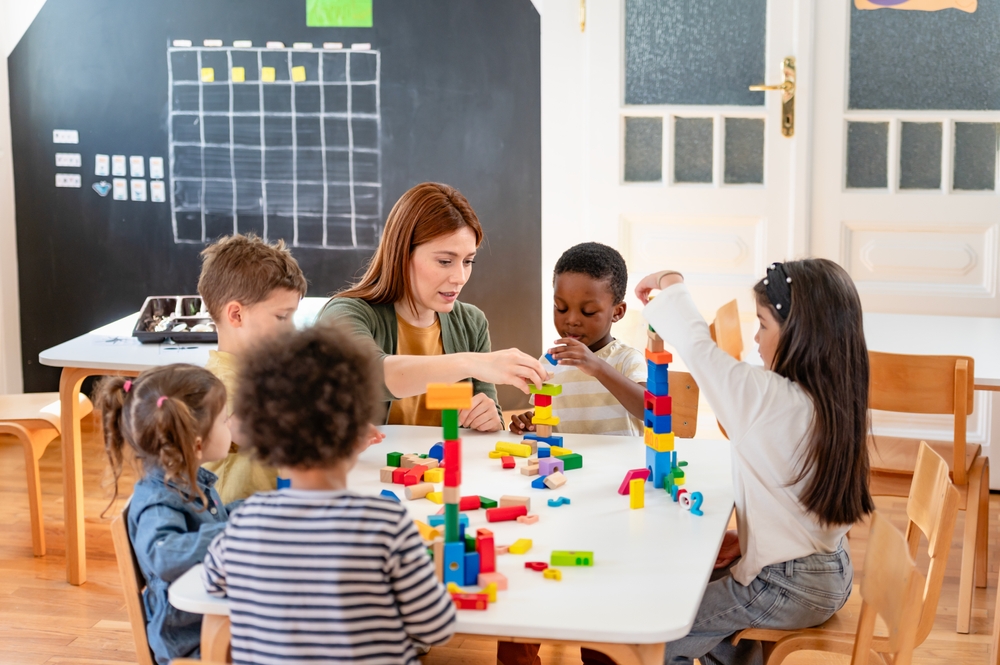
In Willis, Texas, parents, teachers, and caregivers look for ways to help preschoolers grow. A common question is whether building activities truly support development. These activities are more than play. They teach problem-solving, creativity, STEM skills, and social interaction.
Little learners gain confidence as they explore, build, and test ideas. In classrooms or at home, building play introduces early STEM concepts, sparks creativity, and shows how everyday objects can become structures. Block building, LEGO projects, or cardboard houses give children a safe space to experiment with balance, weight, and spatial relationships. These are foundational skills for school and life.
Research in early childhood education shows that hands-on building play supports fine motor skills, spatial awareness, and early STEM learning. The National Association for the Education of Young Children (NAEYC) notes that block play helps preschoolers build problem-solving, math thinking, and teamwork skills. Studies also show that goal-focused play, such as stacking blocks or balancing structures, improves coordination and cognitive development in young children.
Key Takeaways
- Building play develops fine motor skills, problem-solving, creativity, and early STEM
- Regular routines boost confidence, focus, and persistence
- Teamwork improves social skills, communication, and collaboration
- Combining literacy and math makes learning hands-on and meaningful
- Outdoor and at-home play sparks creativity, critical thinking, and safe experimentation
Adding Building Play to Daily Routines
Integrating building activities is easy. Parents can set aside 10 to 15 minutes, and teachers can add short sessions to the classroom. Children do best with a predictable time for play. Regular practice helps them build focus, coordination, and early STEM skills.
In many preschool classrooms, teachers observe that children often rebuild structures multiple times after they fall, demonstrating persistence and problem-solving as they test new ideas.
Ways to include building play:
- Creative block play: Build towers, bridges, or castles using wooden or foam blocks.
- Building ideas at home: Use LEGO, cardboard, or building toys to construct houses or other structures.
- Team projects: Encourage siblings or classmates to work together.
- Routine integration: Set predictable times so children know what to expect.
Regular building sessions help children develop coordination, focus, and early STEM skills. They also foster persistence. When a tower falls, children learn to try again, building resilience and confidence. Teamwork during building projects also introduces early STEM collaboration skills, such as discussing solutions and testing hypotheses together.
Benefits of Construction Activities for Preschoolers
Construction activities teach essential skills while remaining fun. Children improve fine motor skills by stacking blocks, threading pieces, or shaping materials. They also learn basic math concepts, such as counting, comparing sizes, and recognizing shapes.
In the classroom, teachers can integrate building projects into literacy and math lessons. Children measure, compare, or label their structures, supporting activities for literacy while encouraging problem-solving.
Key benefits of building play:
- Fine motor skills: Handling small tools and blocks improves hand-eye coordination.
- Problem-solving: Children experiment with different ways to build and fix mistakes.
- STEM skills: Kids explore balance, weight, and basic engineering concepts.
- Social skills: Working together teaches sharing, communication, and teamwork.
- Confidence: Completing a project fosters pride and self-esteem.
Building play introduces early STEM concepts and sparks creativity. Many of these ideas are inspired by Preschool STEM Activities. Themed projects, like building houses for the little pigs, enhance storytelling, sequencing, and cause-and-effect thinking.
Outdoor Building Adventures
Outdoor building activities add fresh air, movement, and real-world problem-solving. Using sticks, rocks, sand, and leaves, children can create forts, towers, or bridges. Outdoor play combines construction materials with physical activity, making learning hands-on and engaging.
This type of construction play also aligns with recommendations from early childhood educators who emphasize hands-on exploration. Natural materials help children understand basic building concepts while developing creativity, spatial awareness, and physical coordination.
Benefits of outdoor building:
- Encourages teamwork and communication
- Improves problem-solving and critical thinking
- Teaches respect and awareness of nature
- Sparks creativity using natural materials
Teachers can integrate construction worker themes outdoors. Children learn about real-world building roles while safely experimenting on a larger scale. These adventures reinforce STEM concepts, teamwork, and early engineering skills.
Simple At-Home Building Ideas
At home, building activities are simple, fun, and educational. Everyday items like cardboard, boxes, and LEGO can become castles, towers, or houses.
At-home building ideas:
- Cardboard houses: Children design and decorate small homes.
- LEGO towers: Practice counting, shapes, and balance.
- Creative block play challenges: Build a specific structure or solve a mini-problem.
- Themed projects: Make a zoo, spaceship, or house for the little pigs.
These activities encourage experimentation. Children learn to combine materials, plan designs, and adapt when structures fall. Using building toys and basic tools develops hand-eye coordination and early technical skills.
Integrating Literacy and Math
Building activities can reinforce literacy and math. Children can label blocks, write short stories, or measure materials while constructing.
Ideas for learning:
- Set up literacy centers with building-themed vocabulary cards.
- Count blocks or compare shapes to reinforce math skills.
- Encourage storytelling about a house or tower.
- Turn building projects into activities for literacy with simple writing or drawing tasks.
Building play connects abstract STEM, literacy, and math concepts to hands-on experiences. This approach makes learning meaningful and memorable.
STEM Activities with Everyday Materials
Even simple household objects can teach STEM. Paper towel rolls, plastic bottles, and popsicle sticks can become bridges, ramps, or towers. Children explore balance, weight, and stability through hands-on experiments.
STEM benefits of building play:
- Hands-on introduction to engineering
- Improves problem-solving and critical thinking
- Sparks curiosity and creativity
- Encourages teamwork and communication
Combining building ideas, STEM challenges, and creative play helps children develop confidence, persistence, and analytical thinking. These are excellent confidence-building activities for preschoolers.
6 Easy Preschool Building Activities and Benefits
Providing a variety of materials and clear opportunities to experiment makes building play more effective. Using blocks, LEGO, cardboard, and natural materials allows preschoolers to explore shapes, balance, and spatial reasoning. Offering both independent and group projects helps develop problem-solving, creativity, and teamwork.
The table below presents six simple building activities, the materials needed, and the key skills each activity supports. These ideas are practical for both home and classroom settings and promote hands-on learning while strengthening early STEM, literacy, and social skills.
| Activity | Materials | Skills Developed |
| Cardboard houses | Boxes, tape, markers | Fine motor, creativity, literacy |
| LEGO towers | LEGO bricks | STEM, math, problem-solving |
| Little pigs houses | Blocks, paper | Storytelling, sequencing, team work |
| Nature fort | Sticks, rocks, leaves | Outdoor exploration, spatial skills, collaboration |
| Creative block play | Wooden blocks | Balance, patience, confidence |
| Mini bridges | Popsicle sticks, glue | Engineering, problem-solving, STEM |
This table gives parents and teachers practical building ideas that are safe and educational. Each activity also helps children build skills like creativity, problem-solving, and teamwork.
Building Strong and Confident Preschool Learners
Choosing the right activities and providing intentional play opportunities can make building projects a meaningful part of preschool learning. With regular routines, guidance, and encouragement, children develop confidence, creativity, and problem-solving skills.
As a trusted preschool resource in Willis, Lighthouse Willis offers families structured, hands-on building activities, expert guidance, and a supportive environment to strengthen STEM, literacy, and social skills. Our approach is based on early childhood research and years of experience working with little learners.
Are you ready to help your child grow into a confident, creative thinker? Contact us today to discover building activities and hands-on projects that support early learning and development.