936-856-7894


Starting kindergarten is a big milestone, and strong reading habits can help your child feel more confident as they begin this new chapter. Early reading skills give children the tools they need to understand stories, recognize words, and communicate their own ideas. When kids build these skills early, they walk into the classroom feeling prepared and excited to learn.
Reading encouragement at home plays a huge role in this process. When your child sees that you value books and learning, they begin to value them too. Simple daily actions, like listening to them sound out words or reading a bedtime story together, build confidence, curiosity, and a love for learning that can last well beyond kindergarten.
Creating a Reading-Friendly Environment
A big part of encouraging reading is giving your child a space where books feel fun and inviting. You don’t need anything fancy—just a quiet corner with a soft blanket, a small chair, or even a few pillows on the floor. When the space feels cozy, children naturally want to spend more time exploring stories and pictures.
Tips for creating a reading-friendly space:
- Place books at your child’s eye level in baskets or shelves.
- Include cushions or a small rug to make the space cozy.
- Keep lighting soft but bright enough for reading comfortably.
- Rotate books regularly to keep choices fresh and exciting.
Choosing the right books also makes a difference. Fill your child’s shelf with age-appropriate books that match their interests, whether that’s animals, adventure, funny characters, or colorful picture books. When children are excited about the topics they read, they’re more likely to stay engaged and want to read more.
Most importantly, make books a part of daily life. Keep them in baskets around the house, bring them in the car, or place a few near your child’s bed. When books are always within reach, reading becomes a natural habit instead of a chore.

Making Reading Fun and Engaging
Making reading fun and interactive helps children stay engaged and build early literacy skills. Using dramatic voices, expressions, and gestures brings stories to life, while songs, rhymes, and repetition reinforce language patterns.
Try turning reading into playful activities like:
- Letter scavenger hunts around the house
- Matching games with sight words or letters
- Storytime “acting out” or puppet play
- Simple word puzzles or rhyming challenges
These playful activities not only make learning enjoyable but also support kindergarten readiness by reinforcing letters, sounds, and vocabulary.
Building Foundational Skills for Kindergarten Readers
Strong reading skills start with simple, everyday interactions. Here’s a breakdown of how foundational skills can develop at home:
| Skill Area | How to Support at Home | Example Activities |
|---|---|---|
| Letter recognition | Focus on letters and sounds in daily routines | Alphabet puzzles, fridge magnets |
| Sight words | Introduce common words gradually | Flashcards, word wall games |
| Vocabulary expansion | Talk about new words from stories and daily life | Describe objects, ask “why” and “how” questions |
| Comprehension | Encourage discussion about stories | Ask predictions, summarize events, and discuss characters |
These activities help children gain confidence, recognize words quickly, and enjoy the process of learning.
Involving Parents and Caregivers in the Process
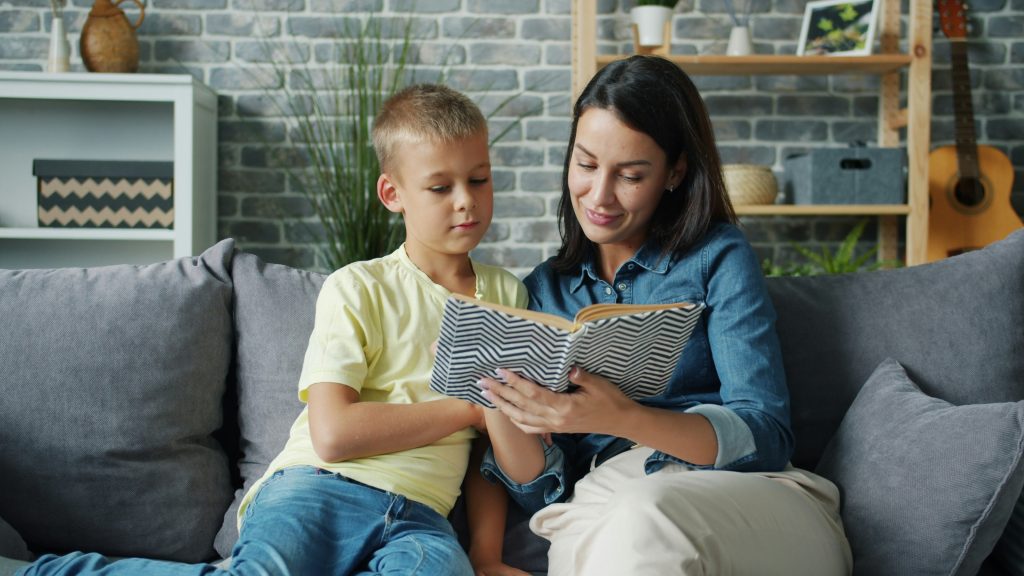
You play a key role in your child’s reading journey. Reading together every day, even for just 10–15 minutes, can make a big difference. Short, consistent sessions are often more effective than longer, irregular ones. Pick a time that works for both of you, like before bed or after school, so reading becomes a routine your child can look forward to.
As you read, ask questions and encourage your child to share their thoughts about the story. Simple prompts like, “What do you think will happen next?” or “Why do you think the character did that?” help your child think critically and make connections between words and ideas. These discussions strengthen comprehension skills and make reading an interactive experience.
Finally, model reading behavior yourself. Let your child see you enjoying a book, magazine, or even a recipe. When children see that reading is fun and valuable, they’re more likely to develop the same positive attitude toward it.
Leveraging Technology and Educational Tools
When used thoughtfully, technology can enhance early reading skills through educational apps, games, and read-along stories that make learning interactive and fun. Audiobooks help children connect spoken words to text, boosting vocabulary and comprehension.
Combining digital tools with hands-on activities like flashcards and magnetic letters keeps learning engaging, varied, and effective.
Nurturing a Lifelong Love of Reading
Encouraging reading at home sets your child up for a confident and successful start in kindergarten. From creating a reading-friendly environment to making stories fun and interactive, small daily efforts can build strong literacy skills, spark curiosity, and foster a lifelong love of reading. By focusing on foundational skills, patience, and engagement, you help your child develop the tools they need to thrive in the classroom.
As a private preschool in Willis, TX, we understand how important early literacy is for young learners. Our team is dedicated to providing parents with guidance, tools, and strategies to support children’s reading development. Learn more about our approach and philosophy on our About page
Ready to give your child a strong start in reading? Contact us today to schedule a tour at our private school.