936-856-7894


Summer is a time when preschoolers are full of energy, curiosity, and a strong desire to explore. It also brings a shift away from structured classroom learning, which makes it important for parents to keep children engaged in meaningful ways. The goal is not to replicate school at home but to create simple, playful learning experiences throughout the day.
Research in early childhood development shows that nearly 90% of a child’s brain development happens before the age of five, highlighting why everyday experiences during this stage are so important for long-term growth. Along with home activities, some children also benefit from structured summer programs that offer guided play, social interaction, and routine. These environments, along with at-home learning, help create a balanced summer experience that supports both fun and development.
Key Takeaways
- Learning continues naturally through play and daily activities
- Preschoolers develop faster through hands-on and sensory experiences
- Social interaction supports emotional and communication skills
- Simple home activities help reduce screen time dependency
- A balanced routine supports better readiness for school
Why Summer Learning Matters for Preschoolers
Early childhood is a critical stage for building communication, thinking, and social skills. During summer, children are away from structured learning environments, which can slow down routine-based development if not supported with engaging activities. That is why consistent stimulation through play and interaction is important.
Many parents also explore structured summer programs in their local area, such as preschool camps or daycare-based activities, to ensure children continue learning in a social environment. These experiences, combined with home-based learning, help maintain a healthy balance between independence and guided learning.
Virtual Field Trips to Expand Curiosity
Virtual field trips are a simple and effective way to introduce preschoolers to new places and ideas. They allow children to explore animals, oceans, museums, and natural environments through interactive digital experiences. This helps build curiosity while improving attention span and observation skills.
At home or in guided group settings, children can discuss what they see, which improves communication and memory retention. These shared discussions also help children learn how to express ideas and ask questions. Over time, this strengthens early cognitive and language development.
Music and Movement for Active Learning
Music and movement activities help preschoolers develop coordination, rhythm, and body awareness. These activities also support emotional expression, which is important during early development stages. Simple games like dancing, clapping rhythms, or freeze-and-move activities keep learning fun and active.
In many structured early learning environments, including preschool programs and summer camps, group movement activities are commonly used to encourage participation and teamwork. Children learn to follow instructions, listen carefully, and move in coordination with others. This improves both physical and social development.
Outdoor Chalk Activities for Creativity
Outdoor chalk activities allow children to express creativity while learning basic concepts like shapes, numbers, and letters. These activities improve fine motor skills and help children practice early writing in a fun and pressure-free way. The open space also encourages imagination and independent thinking.
When children engage in group play, they also learn sharing and cooperation. They may create drawings together or follow simple instructions to complete shape-based games. This combination of creativity and interaction helps strengthen both cognitive and social skills.
Simple Cooking Activities for Early Math Skills
Cooking activities introduce preschoolers to basic math and sequencing in a practical way. Measuring ingredients, counting items, and following simple steps help children understand order and quantity. These everyday tasks make abstract concepts more understandable.
With adult guidance, children can safely participate in mixing, pouring, and arranging ingredients. This builds confidence and improves focus while also teaching responsibility. It also helps children understand real-world applications of basic math concepts.
Storytelling and Puppet Play for Language Growth
Storytelling activities help preschoolers build vocabulary, listening skills, and imagination. When children hear stories or act them out using puppets, they begin to understand structure, emotion, and expression. This makes language learning more interactive and meaningful.
Group storytelling activities are often used in early childhood programs to encourage participation and communication. Children learn to listen, respond, and share ideas in a supportive environment. This improves confidence and strengthens early communication skills.
Creative Art Using Everyday Materials
Art activities using simple or recycled materials help children explore creativity while learning about resourcefulness. They can build shapes, make crafts, or design objects using items found at home. This encourages problem-solving and imagination at the same time.
In many early learning environments, children also participate in group art activities where they collaborate on shared projects. This teaches teamwork and helps children understand different perspectives. It also builds pride in completing creative work.
Balancing Home Learning with Structured Activities
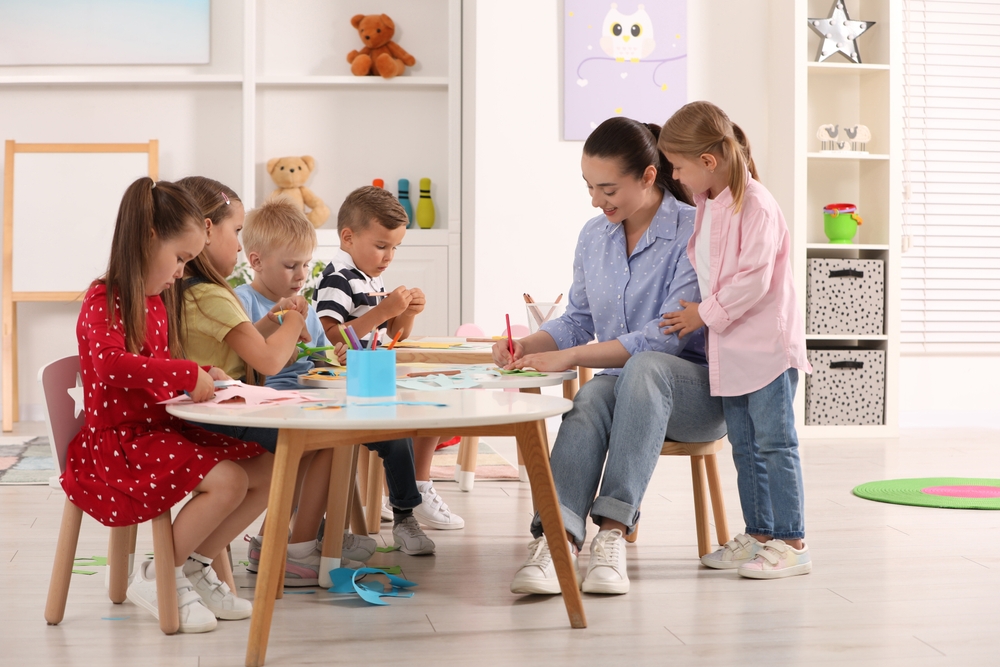
While home-based learning activities are important, children also benefit from structured environments that provide routine, social interaction, and guided play. These settings help children adapt to group learning and build important life skills such as sharing, listening, and cooperation.
Some families choose preschool programs or structured summer activities to support this balance. These settings help children engage in guided play, creative learning, and social interaction in a more organized environment. Enrichment activities provide opportunities for children to explore hands-on learning in a structured and supportive setting. When combined with home activities, this creates a well-rounded summer experience for preschoolers.
Supporting Learning Through Play
Summer offers a valuable opportunity for preschoolers to learn in flexible and engaging ways. When learning is combined with play, creativity, and interaction, children develop naturally without pressure. A balance of home activities and structured group experiences helps support emotional, social, and cognitive growth.
As a trusted preschool in Willis, The Lighthouse School focuses on intentional play and meaningful activities that support early learning in a structured way. These experiences include guided enrichment activities, hands-on exploration, and age-appropriate learning that help children build confidence, creativity, and problem-solving skills. This is why many families prefer environments that provide consistent routines, meaningful interaction, and guided play-based learning to support their child’s overall development.
Are you ready to support your child’s learning journey in a fun and engaging way? Contact us to learn more about preschool programs and enrichment activities that help children learn, grow, and thrive during their early years.