936-856-7894


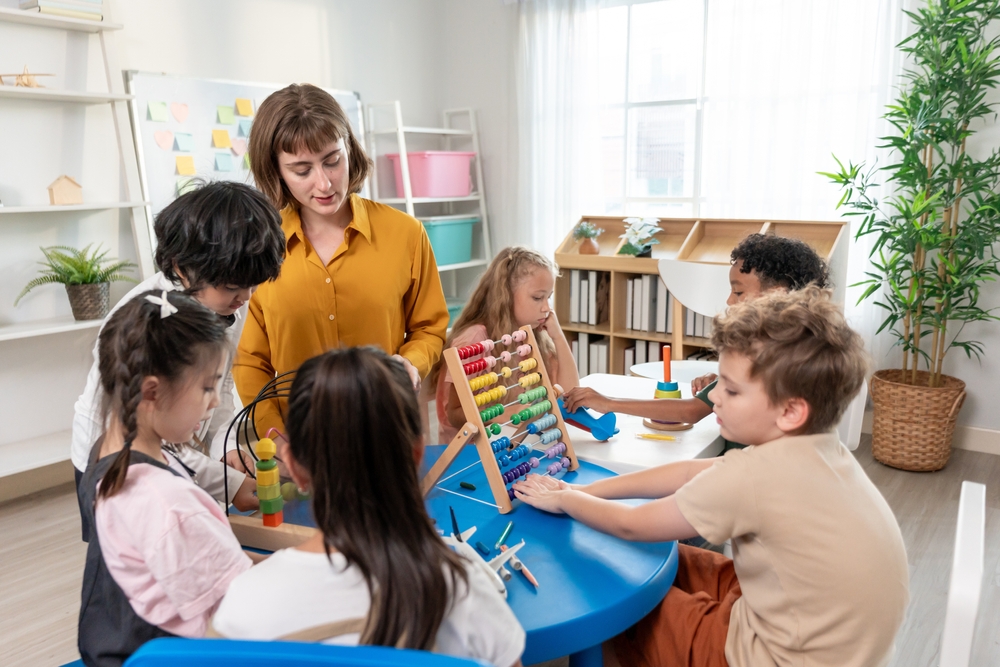
Sending your child to preschool often comes with lots of questions and worries. You want them to learn letters and numbers, but you also want them to grow in confidence, kindness, and curiosity. A Christian preschool helps with all of that. It combines early academics with values like honesty, patience, and respect, so children grow both in knowledge and character.
Research shows that kids who go to preschool are more likely to finish high school. They are also less likely to repeat a grade or need special education later on. This means that early learning can have a big impact on their success in school and life.
Preschool isn’t just a place to play. It’s where children learn to talk and listen to others, solve simple problems, make friends, and feel confident trying new things. When learning, play, and faith come together, kids develop curiosity and resilience that help them in elementary school and beyond. Choosing a preschool that supports both learning and character gives your child a strong start for the years ahead.
Key Takeaways
- Builds foundational academic skills in literacy and numeracy
- Reinforces social-emotional growth through empathy and cooperation
- Instills values and ethical decision-making grounded in faith
- Prepares children for long-term academic engagement and curiosity
- Encourages active parental and community involvement
What Is a Christian Preschool Curriculum?
A Christian preschool curriculum blends traditional academics with faith-based learning. It differs from secular programs by integrating biblical principles into everyday lessons and activities. Children learn letters, numbers, and problem-solving skills while also practicing values such as kindness, honesty, patience, and respect. This combination helps them grow academically, socially, and emotionally in a balanced and meaningful way.
Core components often include:
- Bible Stories and Faith Themes: Lessons focus on character, morality, and biblical teachings
- Play-Based Learning: Encourages curiosity, problem-solving, and creativity
- Structured Academic Activities: Literacy, numeracy, science exploration, and hands-on projects
- Daily Worship and Prayer: Reinforces spiritual growth and routine
This approach provides children with a well-rounded education that balances academic learning, faith development, and social skills. It helps children feel confident in their abilities while understanding how to treat others with respect and care. By combining learning with values, children build habits and skills that support success both in school and in everyday life.
Academic Foundations in Early Childhood
Early academic development shapes a child’s ability to succeed in school and beyond. Children who are introduced to letters, numbers, and basic problem-solving at an early age often feel more confident when they enter kindergarten. They are better prepared to follow instructions, focus on tasks, and approach challenges with curiosity. Developing these skills early also helps children build a love of learning that can last throughout their school years and beyond.
Key skills developed in preschool include:
- Early Literacy: Letter recognition, phonics, and storytelling
- Numeracy Skills: Counting, sorting, pattern recognition, and basic problem-solving
- Cognitive Development: Memory, attention, and reasoning skills
- Curiosity-Driven Learning: Exploration and hands-on projects encourage creativity
Play-based activities help children practice critical thinking, decision-making, and social problem-solving in a safe and structured environment. Through games, imaginative play, and group activities, children learn how to make choices, solve small challenges, and work together with peers. These experiences also encourage creativity, build confidence, and give children a chance to apply what they are learning in real-life situations.
Faith and Values as Part of Learning
Faith is seamlessly integrated into daily lessons, making moral development a natural part of learning. Children explore values like kindness, honesty, patience, and respect through stories, songs, and hands-on activities. Daily prayer and worship reinforce these lessons and help children reflect on their actions. Over time, this consistent exposure helps kids internalize these principles and apply them in everyday situations, both at school and at home.
Children learn through:
- Bible stories that teach kindness, honesty, and patience
- Songs and activities that reinforce respect and empathy
- Daily prayers that encourage reflection and gratitude
This consistent exposure helps children internalize values and build a strong sense of character early in life. By practicing kindness, honesty, and patience every day, children begin to understand how their actions affect others. They learn to make thoughtful choices, take responsibility, and treat people with respect. These early lessons lay the foundation for confidence, empathy, and good decision-making as they grow.
Social and Emotional Growth
Social and emotional skills are essential for school readiness and long-term success. Christian preschool programs support these skills through structured interactions and guided play. Children learn how to share, take turns, and cooperate with others. They begin to recognize and manage their own emotions while understanding the feelings of their classmates. Activities like group projects, role-playing, and collaborative games help children build confidence, empathy, and resilience, preparing them to handle challenges both in school and in everyday life.
Children develop:
- Cooperation and Sharing: Learning to work and play with peers
- Emotional Awareness: Recognizing and expressing feelings appropriately
- Confidence and Resilience: Encouragement and positive reinforcement build self-esteem
- Empathy: Understanding others’ emotions and responding kindly
Character Development and Moral Decision-Making
Preschool introduces children to moral concepts in age-appropriate ways. Through stories, songs, and everyday classroom experiences, children begin to understand right from wrong. They learn about honesty, responsibility, and fairness by seeing examples and practicing these values themselves. Teachers guide them in making good choices and help them understand how their actions affect others. This early moral guidance helps children develop a strong sense of integrity that will grow as they get older.
How children learn ethical behavior:
- Stories that demonstrate right and wrong
- Teacher modeling of integrity and responsibility
- Connecting biblical teachings to everyday choices
Early exposure to moral reasoning helps children understand the consequences of their actions and supports long-term ethical decision-making. When children see the results of their choices in a safe environment, they learn how their behavior affects others. Simple classroom scenarios, like taking turns or sharing toys, give them practice in making thoughtful decisions. Over time, these experiences help children develop integrity, responsibility, and the ability to make good choices even outside of school.
The Role of Parents and Community
Learning continues beyond the classroom. Collaboration between parents, teachers, and community members strengthens early development. When families reinforce lessons at home, children gain consistency and confidence in what they are learning. Church and community activities provide additional opportunities for children to practice values and social skills in real-life settings. Regular communication between teachers and parents ensures everyone is working together to support the child’s growth academically, socially, and spiritually.
Ways families and communities support preschool learning:
- Reinforcing lessons at home through reading, discussion, and practice
- Participating in church and community activities that promote faith and character
- Maintaining consistent communication with teachers to align goals and expectations
This partnership ensures children have a consistent and supportive environment for growth. When home, school, and community work together, children feel safe and encouraged to explore, learn, and try new things. Consistency helps them understand expectations, build confidence, and develop positive habits. With everyone reinforcing the same lessons and values, children are more likely to succeed academically, socially, and emotionally.
Gaining Lifelong Learning Skills
A Christian preschool lays the groundwork for lifelong learning. Children develop a love of curiosity, explore new ideas, and build habits that make learning fun and meaningful. They also practice problem-solving, persistence, and self-motivation, which prepare them to face challenges in school and in everyday life. By combining academics, play, and faith, children gain skills and confidence that can support learning for years to come.
Key skills children develop include:
- Love of Learning: Curiosity-driven exploration encourages continued education
- Persistence and Self-Motivation: Completing tasks and overcoming challenges builds confidence
- Adaptability: Learning to adjust to new situations prepares children for school transitions
- Problem-Solving: Early exposure to challenges fosters critical thinking
These skills help children engage actively in school, maintain interest in learning, and approach challenges with resilience.
How Christian Preschool Prepares Children for Future Success
Choosing the right preschool is an important first step in your child’s learning journey. A Christian preschool combines academics, play, and faith to help kids learn basic skills, build confidence, and grow in character. Early lessons in reading, math, social skills, and values give children a strong start for school and life.
As a faith-based early learning school, The Lighthouse School in Willis uses curriculum materials that guide learning, teach character, and fit each age. Our programs include values-focused lessons and play-based activities to encourage curiosity, kindness, and responsibility in a caring classroom.
Want to learn more about our programs? Contact us to see how we support academic, social, and spiritual growth while giving children a strong foundation for lifelong learning.