936-856-7894


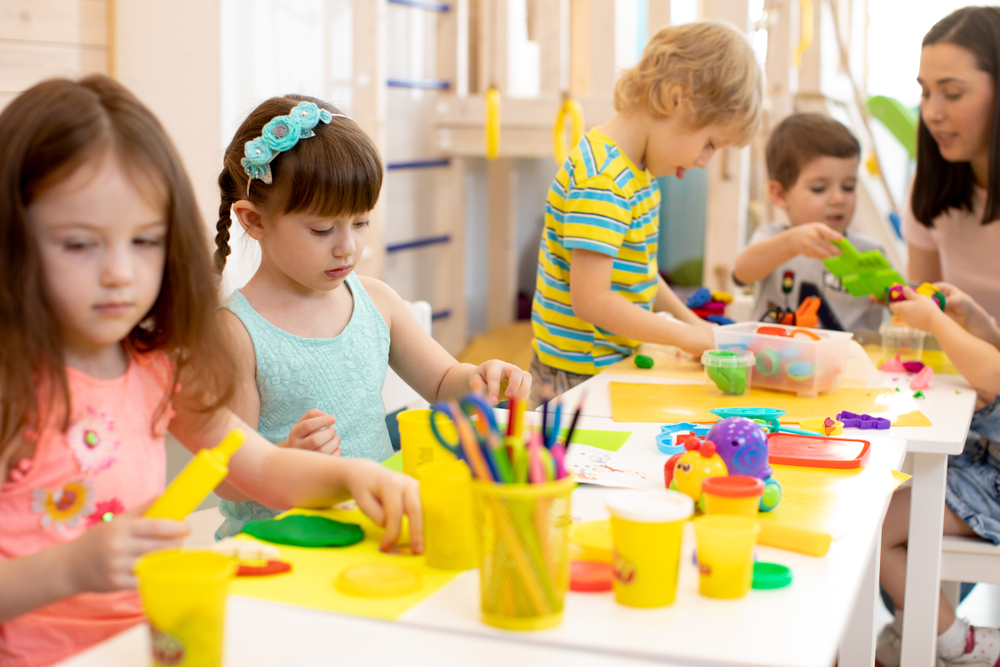
Parents naturally want their children to grow into confident, capable individuals who are prepared to navigate new experiences with curiosity and resilience. Preschool plays an important role in helping children develop these essential life skills by providing opportunities to make choices, solve problems, interact with others, and complete age-appropriate tasks independently. According to the Center on the Developing Child at Harvard University, the early years of life establish the foundation for lifelong learning, behavior, and overall health, making high-quality early childhood education especially valuable. When children are encouraged to practice independence in a supportive environment, they develop confidence that extends well beyond the classroom.
From learning to put away their belongings to making friends and following daily routines, preschool introduces children to experiences that encourage responsibility, self-confidence, and emotional growth. These everyday moments may seem small, but they contribute significantly to a child’s overall development. Understanding how preschool nurtures independence can help parents appreciate the lasting benefits of early childhood education.
Key Takeaways
- Builds independence through daily tasks and routines
- Strengthens confidence through small achievements
- Encourages problem-solving and decision-making
- Develops social and communication skills
- Structured routines support responsibility and self-reliance
Why Independence Matters During Early Childhood
Independence is one of the most important developmental milestones children achieve during their preschool years. As children learn to complete simple tasks without constant assistance, they begin developing confidence in their own abilities. This growing sense of competence encourages them to approach new challenges with curiosity rather than hesitation.
Developing independence also strengthens problem-solving skills. Instead of relying on adults for every answer, children learn to think through situations, make decisions, and understand that mistakes are valuable learning opportunities. These experiences help build resilience, allowing children to recover from setbacks and continue trying even when tasks become difficult.
As children become more independent, they also develop responsibility and self-discipline. Simple routines such as cleaning up after activities, washing hands before meals, or organizing personal belongings help establish habits that benefit them throughout elementary school and beyond. These foundational life skills contribute to academic success, emotional well-being, and healthy social interactions.
How Preschool Creates Opportunities for Independence
Preschool classrooms are intentionally designed to encourage children to explore, make choices, and complete tasks on their own while knowing that caring teachers are available when support is needed. Rather than doing everything for children, educators guide them toward finding solutions independently, helping build confidence with each success.
Daily classroom activities naturally encourage self-reliance. Children learn to hang up backpacks, choose learning centers, participate in cleanup routines, and manage simple responsibilities appropriate for their age. These experiences gradually teach children that they are capable of accomplishing tasks independently.
Teachers also encourage decision-making throughout the day. Whether selecting a book during reading time, choosing art materials, or deciding how to solve a problem with classmates, children gain confidence by making choices and experiencing positive outcomes. These opportunities foster autonomy while helping children develop critical thinking skills.
Building Confidence Through Daily Successes
Confidence develops gradually through repeated positive experiences. Every time a child completes a task independently, they gain reassurance that they are capable of learning and growing. Preschool provides numerous opportunities for these everyday successes.
Instead of focusing only on outcomes, experienced teachers celebrate effort, persistence, and progress. When children receive encouragement for trying new things, even if they don’t succeed immediately, they learn that challenges are part of the learning process. This growth mindset helps children become more willing to tackle unfamiliar situations both inside and outside the classroom.
As confidence grows, children often become more willing to participate in group activities, ask questions, express their ideas, and engage with peers. These experiences strengthen communication skills while helping children feel comfortable in social environments.
Learning Self-Help Skills That Build Responsibility
One of the most practical ways preschool encourages independence is by teaching self-help skills that children can use every day. While these tasks may seem simple to adults, they represent significant developmental achievements for young learners.
Common preschool self-help skills include:
- Putting on jackets and backpacks independently
- Washing hands and practicing personal hygiene
- Cleaning up toys and classroom materials
- Opening lunch containers and feeding themselves
- Organizing personal belongings
- Following classroom routines
- Taking responsibility for simple classroom jobs
As children master these everyday tasks, they develop a stronger sense of responsibility and accomplishment. Completing these activities independently also reduces frustration while increasing confidence in their own abilities.
Developing Social Confidence Through Preschool
Independence is not limited to completing physical tasks. Preschool also helps children become socially independent by teaching them how to interact respectfully with others, communicate their needs, and build positive relationships.
In a preschool classroom, children regularly practice sharing, taking turns, cooperating during group activities, and resolving minor conflicts with teacher guidance. These interactions help children understand different perspectives while building empathy and emotional intelligence.
As children become more comfortable communicating with classmates and teachers, they gain confidence in expressing themselves. They begin asking questions, sharing ideas, and participating in discussions without relying entirely on parents or caregivers. These experiences prepare children for future academic settings where communication and collaboration are essential.
Encouraging Problem-Solving and Decision-Making
Preschool provides countless opportunities for children to solve problems independently. Rather than immediately providing answers, teachers often encourage children to think critically and explore possible solutions. This approach helps children develop confidence in their ability to overcome challenges.
Problem-solving activities may include building structures with blocks, completing puzzles, resolving disagreements with classmates, or figuring out how to organize classroom materials. These experiences teach children that challenges can be approached thoughtfully and that persistence often leads to success.
Decision-making also becomes part of everyday learning. Whether selecting activities during free play or choosing how to complete an art project, children learn that their ideas and choices matter. Making decisions independently helps children become more confident while developing important executive functioning skills.
The Role of Structured Routines in Building Independence
Children thrive when they know what to expect. Predictable routines provide a sense of security that allows children to become more independent because they understand what comes next throughout the day.
A consistent preschool schedule often includes arrival routines, circle time, learning centers, outdoor play, meals, rest time, and creative activities. As children become familiar with these routines, they require fewer reminders from teachers and begin managing transitions more independently.
Structured routines also help children develop time management, responsibility, and self-regulation. Knowing when to clean up, line up, or prepare for the next activity teaches children how to manage expectations while reducing anxiety about unfamiliar situations.
How Parents Can Encourage Independence at Home
The skills children develop in preschool become even stronger when reinforced at home. Parents can encourage independence by allowing children to complete simple age-appropriate tasks while offering encouragement rather than immediately stepping in to help.
Some effective ways to support independence at home include:
- Let children dress themselves whenever possible.
- Encourage children to clean up toys after playtime.
- Offer simple choices throughout the day.
- Create consistent daily routines.
- Allow extra time for children to complete tasks independently.
- Praise effort and persistence rather than perfection.
- Encourage children to solve simple problems before assisting.
Supporting independence at home helps children transfer the confidence they build in preschool into their daily lives. Over time, these small opportunities contribute to greater responsibility, resilience, and self-confidence.
Long-Term Benefits of Preschool Independence
The independence children develop during preschool extends far beyond their early years. Children who learn to make decisions, solve problems, and take responsibility for themselves often transition more smoothly into kindergarten and elementary school.
Independent learners are generally more willing to participate in classroom activities, adapt to new situations, and persevere through academic challenges. They are also better equipped to build healthy relationships, communicate effectively, and manage emotions in a variety of social settings.
Although every child develops at their own pace, consistent opportunities to practice independence during the preschool years create a strong foundation for lifelong learning and personal growth. These early experiences help children develop confidence that continues to support them throughout their educational journey.
Helping Children Thrive Through Structured Early Learning
A consistent preschool routine is an important part of helping children develop confidence, social skills, independence, and a love of learning. When children learn in a structured, supportive environment, they are better prepared to succeed both academically and emotionally as they grow.
As a faith-based early learning school, The Lighthouse School in Willis provides a nurturing environment where children benefit from age-appropriate routines, engaging learning experiences, and caring teacher support. Our preschool programs are designed to help children feel secure, build positive habits, and develop the foundational skills they need for future success.
Want to learn more about our preschool programs? Contact us today to discover how The Lighthouse School helps children learn, grow, and thrive through structured early childhood education.