936-856-7894


Choosing a preschool is one of the first big decisions parents make for their child’s education. The right preschool program can help children build confidence, develop social skills, and create a strong foundation for future learning. According to UNICEF, children who attend at least one year of pre-primary education are more likely to develop the critical skills needed to succeed in school and are less likely to repeat grades or drop out later in life.
With so many preschool options available, it is important to know what truly matters when comparing programs. Beyond academics, parents should look for a safe, supportive, and engaging environment where children feel encouraged to learn and grow every day. This guide explains what parents should look for in a preschool program and how to choose an environment that supports early childhood development.
Key Takeaways
- A quality preschool program supports social, emotional, and academic growth
- Safe and nurturing classrooms help children feel comfortable and confident
- Play-based learning encourages creativity and problem-solving skills
- Experienced teachers help create positive early learning experiences
- Parent communication and involvement strengthen a child’s development
Why Preschool Matters in Early Childhood Development
Early childhood is an important stage in a child’s growth and learning. During these years, children begin building communication skills, emotional awareness, independence, and early academic abilities. A strong preschool program helps children learn how to:
- Follow routines
- Work with others
- Express emotions
- Build friendships
- Solve simple problems
- Develop language and motor skills
Safe and Clean Learning Environment
Safety should always be a top priority. A quality preschool should maintain clean classrooms, secure entry systems, child-friendly furniture, and clear safety procedures. Parents should also look for schools with trained staff, emergency preparedness plans, and age-appropriate supervision throughout the day. Parents should also look for:
- Supervised play areas
- Emergency preparedness plans
- Safe learning materials
- Organized classrooms
- Healthy sanitation practices
A safe environment helps children feel comfortable, confident, and supported throughout the day. When children feel secure in their surroundings, they are often more willing to participate, explore, and engage in learning activities. A positive and secure classroom environment can also help reduce separation anxiety and encourage healthy social interaction with teachers and classmates, especially during early adjustment periods when children are still getting used to preschool routines.
Qualified and Caring Teachers
Teachers play one of the biggest roles in a child’s preschool experience. Strong preschool teachers create positive learning environments where children feel encouraged, respected, and included. Look for programs with teachers who have experience in early childhood education and understand how young children learn and communicate. Great preschool teachers:
- Show patience and kindness
- Encourage curiosity
- Support emotional development
- Communicate openly with parents
- Create engaging classroom activities
Positive teacher-child relationships help children feel more confident and excited about learning. Supportive interactions encourage children to participate in classroom activities and communicate more openly with others. Strong relationships with teachers can also help children build trust, improve social skills, and develop a positive attitude toward school.
Balanced Curriculum and Play-Based Learning
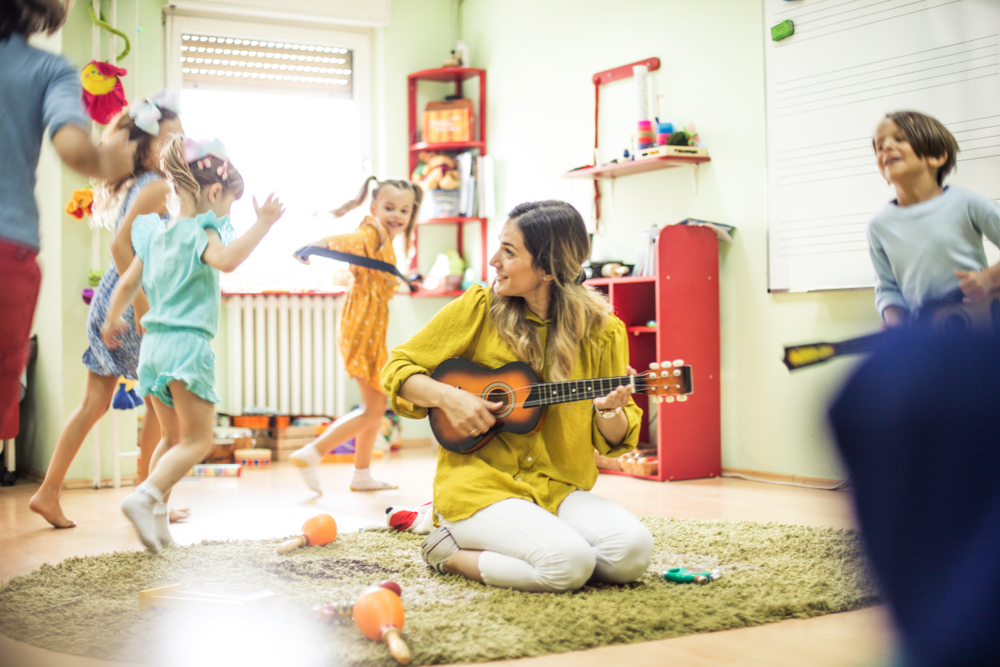
Young children learn best through hands-on experiences and play. A strong preschool curriculum should balance structured learning with creative activities that keep children engaged. Activities such as storytelling, music, art, sensory play, and group interaction help children develop communication, problem-solving, and social skills in a fun and supportive environment.
Look for classrooms that include:
- Storytime and early reading activities
- Music and movement
- Arts and crafts
- Sensory play
- Outdoor activities
- Problem-solving games
- Group learning experiences
Play-based learning supports cognitive, social, and emotional development while helping children enjoy the learning process. It also encourages creativity, curiosity, and problem-solving as children explore new ideas through hands-on activities. This approach helps build a strong foundation for lifelong learning by making education both meaningful and engaging.
Classroom Structure and Daily Routine
Children thrive when they know what to expect. Preschool programs with consistent routines help children feel secure and build independence. A structured daily schedule also helps children develop time management skills and smoothly transition between different activities throughout the day. Daily schedules may include:
- Learning activities
- Snack and meal times
- Outdoor play
- Rest periods
- Group activities
- Quiet learning time
Structured routines also help children transition more easily into kindergarten classrooms later on. They help children understand expectations, follow instructions, and build a sense of responsibility in a classroom setting. Over time, these consistent habits support smoother adjustment to more structured academic environments.
Parent Communication and Involvement
Good preschool programs understand the importance of strong communication with families. Parents should feel informed about their child’s progress, classroom activities, and daily experiences. Regular updates, parent-teacher meetings, and open communication channels help build trust and ensure that families stay actively involved in their child’s early learning journey. Look for schools that provide:
- Regular updates
- Parent-teacher conferences
- Open communication channels
- Family events or activities
- Progress reports
When schools and parents work together, children often feel more supported both at home and in the classroom. This collaboration helps reinforce learning and creates consistency between school and home routines. Strong partnerships between families and educators also improve communication, making it easier to address a child’s needs early and effectively.
Questions Parents Should Ask During a Preschool Tour
Visiting a preschool can help parents better understand the environment and teaching style. During a tour, consider asking questions such as: What is the teacher-to-child ratio, how are daily routines structured, and what safety measures are in place to protect children? These questions can help parents evaluate whether the program is a good fit for their child’s needs. During a tour, consider asking questions such as:
- What is the teacher-to-student ratio?
- How does the school handle discipline and conflict resolution?
- What learning activities are included in the curriculum?
- How does the school support social and emotional development?
- What safety procedures are in place?
- How are parents updated about their child’s progress?
These questions can help parents feel more confident when choosing a preschool program. They also make it easier to compare different schools and understand differences in teaching approach, safety standards, and daily structure. Over time, this helps parents make a well-informed decision that best supports their child’s early development.
Supporting Long-Term Learning and Growth
The preschool years help shape how children view learning, relationships, and classroom experiences. A supportive preschool environment encourages children to become curious, independent, and confident learners. Programs that combine safety, caring teachers, structured routines, and engaging activities help children build skills that support success both inside and outside the classroom. Choosing the right preschool is not only about academics. It is about finding a place where your child feels safe, supported, and excited to learn each day.
Finding the Right Preschool Program for Your Child
Choosing the right preschool is an important first step in your child’s learning journey. A strong preschool program supports both academic and social development by combining structured learning with play-based activities. These early experiences help children build confidence, develop communication skills, and prepare for future school success.
As a faith-based early learning school, The Lighthouse School in Willis provides an environment designed to encourage curiosity, creativity, and emotional growth. With experienced teachers, engaging classroom activities, and a focus on early childhood development, the program helps children build strong foundational skills in a safe and supportive setting.
Looking for a preschool program that supports your child’s growth and early learning journey? Contact us to learn more about enrollment options and available programs.