936-856-7894


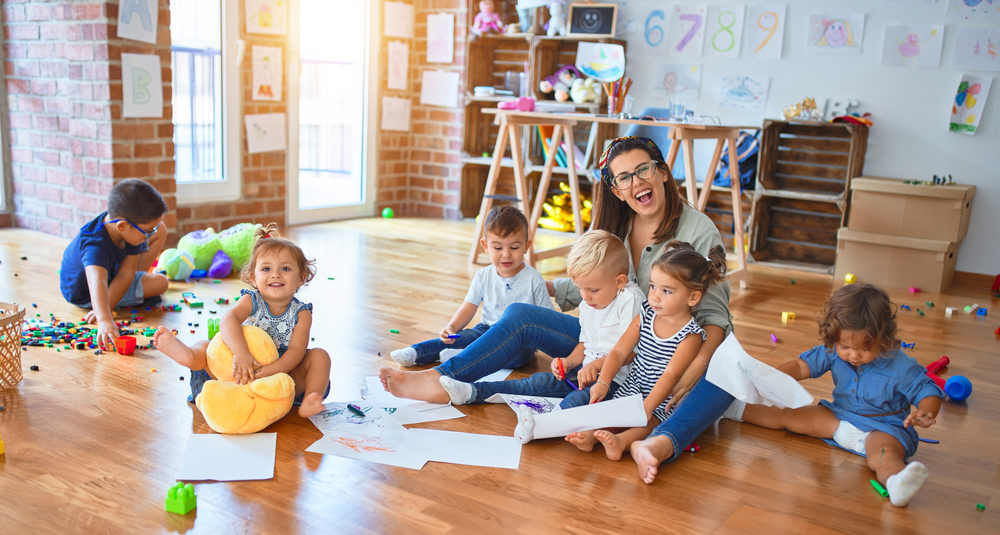
Choosing childcare is an important decision for any family. You want your child to feel safe, build positive relationships, and have opportunities to learn and grow. As you explore your options, you may find yourself comparing preschool and daycare. Although these terms are sometimes used interchangeably, the programs can differ in their primary goals, daily routines, learning activities, and schedules.
Understanding the difference between preschool and daycare can help you choose an environment that supports your child’s developmental needs while fitting your family’s daily routine. Some programs focus primarily on early education, while others emphasize ongoing care and supervision. Many combine both, offering children a balance of learning, play, and care throughout the day. Let’s explore the key differences between preschool and daycare, the benefits each can offer, and what to consider when choosing the right option for your child.
Key Takeaways
- Preschool typically emphasizes early learning, social development, and preparation for kindergarten
- Daycare primarily provides supervision and care while supporting children’s daily routines and development
- Some childcare programs combine the benefits of preschool and daycare
- Your child’s age, personality, developmental needs, and schedule can help guide your decision
- A safe, nurturing environment with qualified caregivers and meaningful activities matters more than the program’s label alone
What Is Preschool?
Preschool is an early childhood education program designed to help young children develop foundational skills before entering kindergarten. It often serves children between the ages of three and five, although the age range and enrollment requirements vary by program.
Preschool introduces children to early learning through hands-on experiences, guided play, classroom activities, and interactions with teachers and classmates. Instead of focusing only on academic instruction, quality preschool programs support children’s social, emotional, physical, and cognitive development.
What Do Children Learn in Preschool?
Preschool gives children opportunities to practice important skills in an age-appropriate setting. Activities may include:
- Early literacy: Listening to stories, recognizing letters, learning new vocabulary, and developing an interest in books
- Early math: Counting objects, identifying shapes, recognizing patterns, and comparing sizes
- Social skills: Sharing materials, taking turns, cooperating with classmates, and working through disagreements
- Emotional development: Identifying feelings, expressing needs, practicing patience, and developing confidence
- Independence: Following classroom routines, putting away toys, washing hands, and managing simple tasks
- Creative expression: Exploring art, music, movement, pretend play, and imaginative activities
These experiences help children become more comfortable participating in a group, following directions, and approaching new challenges.
What Does a Preschool Day Look Like?
A preschool day often follows a predictable routine. Children may participate in arrival activities, circle time, learning centers, outdoor play, stories, creative projects, meals, and rest periods. Consistent routines help young children understand what to expect and gradually develop independence. For example, a child who practices putting away classroom materials each day learns responsibility while building coordination and organizational skills. Preschool also provides opportunities to learn from teachers and peers. Children can practice listening, communicating, asking questions, and solving simple problems in a supportive classroom environment.
What Is Daycare?
Daycare, also called childcare, primarily provides a safe and supervised environment for children while parents or guardians work, attend school, or manage other responsibilities. Programs may care for infants, toddlers, preschool-age children, and sometimes school-age children.
Daycare settings vary widely. Some provide flexible full-day care, while others offer part-time schedules. Activities and educational experiences depend on the program’s philosophy, staffing, age groups, and daily structure. Although daycare may place a greater emphasis on ongoing care and supervision, it can also support children’s learning and development through play, routines, and positive relationships.
What Do Children Do in Daycare?
A typical daycare day may include:
- Free play with age-appropriate toys and learning materials
- Meals, snacks, diaper changes, and toileting routines
- Naps or quiet time
- Outdoor activities and movement
- Songs, stories, crafts, and sensory play
- Social interaction with caregivers and other children
For younger children, these everyday experiences are important opportunities to explore their surroundings, build trust with familiar caregivers, and develop communication and motor skills.
For example, a toddler may develop language by listening to songs, practice coordination while stacking blocks, or learn early social skills by playing alongside other children. The specific learning opportunities depend on the daycare program. Some centers follow structured early childhood curricula, while others focus more on flexible play and daily care. Parents should ask how a program supports development rather than assuming that every daycare offers the same experiences. If you’re considering preschool for your child, learn when parents should start looking for a preschool to give your family time to explore programs and find the right fit.
Preschool vs. Daycare: What Are the Main Differences?
The biggest difference between preschool and daycare is often the program’s primary purpose. Preschool generally emphasizes planned early learning experiences, while daycare focuses on providing care and supervision throughout the day. However, the distinction is not always clear-cut because many programs combine both approaches.
Here’s how the two options commonly compare.
| Feature | Preschool | Daycare |
| Primary focus | Early education and school readiness | Ongoing care, supervision, and daily routines |
| Typical age range | Often ages 3–5, depending on the program | May serve infants through school-age children |
| Daily schedule | Often organized around learning activities and classroom routines | Often organized around care needs, meals, naps, and play |
| Learning approach | Usually includes planned, age-appropriate learning experiences | May include free play, developmental activities, or a structured curriculum |
| Schedule options | May offer part-day, school-day, or full-day programs | Often offers full-day or extended care, with options varying by provider |
| Kindergarten preparation | Commonly a central goal | Depends on the program’s curriculum and approach |
| Social development | Encourages cooperation, communication, and classroom participation | Supports social interaction through play and daily experiences |
These are general patterns, not universal rules. Some preschools provide full-day care, and some daycare centers offer comprehensive early education. When comparing programs, look beyond their names to understand what children actually experience each day.
What Are the Benefits of Preschool?
Preschool can help children develop foundational skills that support their transition into kindergarten and other group learning environments. While every child develops at a different pace, a thoughtfully planned preschool experience offers several potential benefits.
1. Builds Early Learning Skills
Preschool introduces foundational concepts through engaging, age-appropriate activities. Children may explore letters, numbers, shapes, colors, stories, and patterns through games, songs, books, and hands-on projects. These experiences can help children develop curiosity, attention, and a positive attitude toward learning without placing unnecessary academic pressure on them.
2. Encourages Social Skills and Friendships
Interacting with classmates gives children regular opportunities to practice sharing, taking turns, listening, cooperating, and expressing their needs. They may also learn how to manage disagreements with guidance from a teacher. These everyday interactions help children understand that other people have feelings and perspectives of their own.
3. Develops Independence and Confidence
Preschool routines encourage children to try simple tasks independently. Putting away supplies, choosing an activity, following instructions, and preparing for transitions can help children build confidence in their abilities. Teachers can offer support while allowing children to practice skills at their own pace. Over time, these small accomplishments may help children feel more comfortable tackling unfamiliar tasks.
4. Supports Kindergarten Readiness
Kindergarten readiness involves more than knowing letters and numbers. Children also benefit from practicing how to participate in group activities, follow routines, communicate with adults, manage their belongings, and ask for help. Preschool can introduce these experiences in a supportive setting, helping children become familiar with expectations they may encounter in a kindergarten classroom.
5. Creates Opportunities for Exploration
Young children learn by moving, asking questions, experimenting, and interacting with their surroundings. Preschool activities can encourage them to explore materials, investigate simple problems, express creativity, and discover new interests. A balanced program makes room for guided learning as well as play, movement, rest, and social interaction.
Is Daycare a Good Choice for Toddlers?
Daycare can be a suitable option for toddlers, especially when families need consistent care and the program provides a safe, responsive environment. Toddlers are rapidly developing language, movement, independence, and social awareness, and their daily experiences can support these changes.
For this age group, the quality of caregiving matters greatly. Look for caregivers who respond warmly to children’s needs, communicate clearly, supervise play appropriately, and maintain predictable routines. Age-appropriate activities may include reading picture books, singing songs, exploring sensory materials, stacking blocks, playing outdoors, and practicing simple self-help skills.
Some toddlers may also benefit from a preschool program designed specifically for younger children. These programs can introduce early learning and group experiences without expecting toddlers to behave like older preschoolers.
When deciding between preschool or daycare for toddlers, consider your child’s current needs rather than focusing only on what comes next. Ask whether the schedule allows for naps, meals, movement, comfort, and gradual adjustment to a new environment.
How to Choose the Right Option for Your Child
Choosing childcare for your child involves balancing family logistics with your child’s developmental and emotional needs. The right program should feel like a partnership between your family and the people caring for your child.
Consider Your Child’s Age and Development
Think about what your child needs at this stage. Infants and younger toddlers typically need responsive caregiving, rest, and opportunities to explore safely. Older toddlers and preschool-age children may be ready for more group activities, classroom routines, and guided learning experiences. Age is only one factor. Consider your child’s communication skills, temperament, interests, and comfort in group settings as well.
Review Your Family’s Schedule
Practical considerations matter. Find out whether the program offers the hours you need, how drop-off and pick-up work, what happens during holidays, and whether part-time or full-day enrollment is available.
A program that fits your family’s routine can make daily transitions easier and help you maintain consistent arrangements for your child.
Ask About the Learning Approach
Do not assume that every preschool follows the same curriculum or that every daycare offers the same activities. Ask how the program supports children’s learning and development throughout the day.
You might ask:
- What does a typical day look like?
- How do teachers incorporate play into learning?
- How are activities adapted for different ages and developmental levels?
- How do teachers support children who are shy, frustrated, or having difficulty with transitions?
- How do you communicate children’s progress with families?
The answers can help you understand whether the program’s approach aligns with your expectations.
Look at Teacher Qualifications and Interactions
A warm, respectful relationship between children and caregivers is an important consideration. Observe how teachers speak to children, respond to their needs, and guide behavior. Ask about staff training, experience, supervision practices, and the program’s procedures for handling concerns. You should also feel comfortable asking how the school communicates with families about daily experiences and developmental progress.
Evaluate the Environment and Safety Practices
When visiting a childcare center or preschool, look for clean, organized spaces and age-appropriate materials. Notice whether children have opportunities to move, play, rest, and explore under appropriate supervision.
Ask about safety procedures, emergency plans, sign-in and sign-out practices, illness policies, and how the program manages allergies or other individual needs. A welcoming environment should support children’s curiosity while maintaining clear expectations and consistent supervision.
Think About Your Child’s Comfort
A new setting can take time to feel familiar. Some children quickly enjoy meeting new classmates, while others need additional reassurance and gradual transitions.
Ask whether the program offers an adjustment period, encourages family communication, or guides making the first few weeks easier. A supportive program will recognize that children settle in at different rates.
Helping Children Build Confidence Through Early Learning
A supportive preschool environment plays an important role in helping children develop social skills, confidence, independence, and positive relationships. Through classroom routines, guided play, and daily interactions with teachers and classmates, children learn how to communicate, cooperate, solve problems, and build meaningful friendships.
As a faith-based early learning school, The Lighthouse School in Willis provides a nurturing environment where children are encouraged to grow socially, emotionally, and academically. Our preschool programs include structured activities, caring teacher guidance, and opportunities for children to practice important learning skills while building confidence and a love for learning.
Want to learn more about our preschool programs? Contact us today to discover how The Lighthouse School helps children develop the skills and confidence they need to learn, grow, and thrive.