936-856-7894


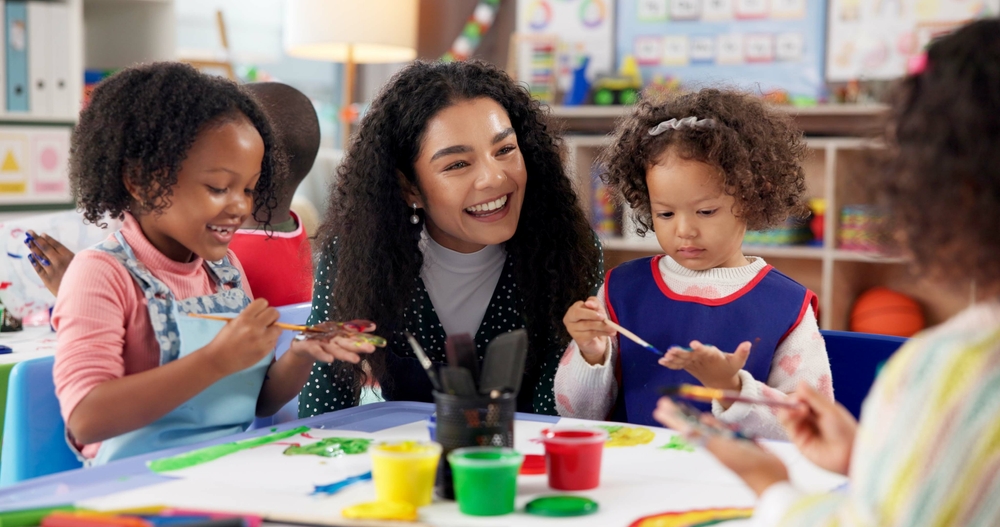
For young children, every day is filled with opportunities to learn, grow, and explore. While preschoolers naturally enjoy discovering new things, they also benefit from knowing what to expect throughout the day. A consistent preschool daily routine provides structure, predictability, and security, helping children feel confident as they navigate new experiences and develop important life skills.
Research from the Center on the Developing Child at Harvard University shows that supportive and predictable environments help promote healthy child development and reduce stress in young children, particularly by buffering against toxic stress that can negatively affect brain development. This is one reason why structured preschool schedules play such an important role in early childhood education. When children understand the flow of their day, they can focus more on learning, socializing, and building confidence. Whether at home or in a preschool classroom, a well-planned routine helps children develop independence, improve behavior, strengthen social skills, and create a positive foundation for lifelong learning.
Key Takeaways
- A consistent preschool daily routine helps children feel safe and secure
- Structured schedules support emotional, social, and cognitive development
- Predictable routines can reduce anxiety and improve behavior
- A balance of learning activities and play encourages well-rounded growth
- Daily routines help children build independence and confidence
Why Preschool Routines Matter
Young children thrive when they know what to expect. A preschool schedule creates a sense of stability that helps children transition smoothly between activities and manage daily expectations. Instead of worrying about what comes next, children can focus their attention on learning, interacting with classmates, and exploring new ideas. Consistent routines also help children develop self-regulation skills. Over time, children learn when it is time to listen, play, eat, rest, and participate in group activities. These predictable patterns support emotional development and help children build confidence in their abilities. For many children, routines also reduce stress and frustration. Knowing what happens throughout the day can help ease transitions and create a more positive preschool experience.
Emotional Benefits of a Preschool Daily Routine
Preschoolers are still learning how to identify and manage their emotions. A structured daily schedule provides the consistency needed to support emotional growth and stability. It also helps children feel more secure in their environment, which can reduce stress and support healthier emotional responses throughout the day. Understanding common behaviors such as emotional outbursts and crying fits can also help parents better support early development at home and in the classroom.
Benefits include:
- Greater sense of security
- Reduced anxiety during transitions
- Improved emotional regulation
- Increased confidence and independence
- Better classroom behavior
When children feel safe and supported, they are more willing to participate in activities, interact with others, and try new experiences. This increased comfort can encourage stronger social connections and greater engagement in classroom learning. Over time, positive daily experiences help children build confidence and develop a more positive attitude toward school.
How Routines Support Cognitive Development
A consistent preschool classroom routine does more than keep the day organized; it plays an important role in supporting cognitive development and early learning. When children know what to expect, they can focus more fully on activities instead of worrying about what comes next. This predictability strengthens attention, memory, and early problem-solving skills through steady, repeated practice.
Throughout the day, preschool learning naturally includes a variety of meaningful experiences such as storytime, hands-on activities, creative arts, music and movement, science exploration, and group discussions. Rather than feeling like separate tasks, these moments flow within a structured routine that helps children connect learning more naturally.
These experiences work together to build strong early academic foundations while also encouraging curiosity and a genuine love of learning. As children engage with different types of activities, they develop stronger language skills, improved thinking abilities, and better problem-solving strategies. Over time, this consistent exposure helps children grow into more confident learners who are better prepared to handle new ideas and challenges both inside and outside the classroom.
Building Independence Through Daily Structure
One of the biggest benefits of a preschool schedule is the opportunity to build independence. As children become familiar with classroom routines, they begin to take ownership of everyday tasks and responsibilities. These structured routines can also support early learning experiences such as hands-on exploration and problem-solving activities that introduce foundational STEM concepts in engaging ways.
Children learn how to:
- Follow directions
- Complete simple tasks independently
- Manage personal belongings
- Participate in classroom routines
- Make age-appropriate choices
These skills contribute to greater self-confidence and help prepare children for future academic success. As children become more independent, they often feel more capable of handling new tasks and responsibilities. This growing sense of accomplishment can support a positive attitude toward learning and personal growth.
Balancing Learning and Play
An effective preschool daily routine balances structured learning with opportunities for free play. Both are essential components of healthy child development. Teacher-guided activities help children develop academic and social skills, while free play encourages creativity, problem-solving, and imagination. During playtime, children learn how to interact with peers, practice communication skills, and explore their interests in a supportive environment.
A balanced preschool schedule often includes:
| Activity Type | Developmental Benefits |
| Circle Time | Listening skills, communication, and social interaction |
| Learning Centers | Problem-solving, creativity, independence |
| Storytime | Literacy, vocabulary, comprehension |
| Outdoor Play | Physical development, coordination, teamwork |
| Free Play | Creativity, social skills, emotional growth |
| Rest Time | Emotional regulation, focus, well-being |
By combining learning and play, preschool programs create engaging environments that support the whole child. This balanced approach helps children develop academic, social, emotional, and physical skills in meaningful ways. It also keeps children motivated and excited to participate in daily activities and learning experiences.
The Importance of Play in Preschool
Play is often called the work of childhood because it supports many areas of development. Through play, children learn how to cooperate, solve problems, express emotions, and build relationships. Play also gives children opportunities to explore their interests, practice decision-making, and develop confidence in a low-pressure environment. These experiences help reinforce important skills that support both classroom learning and everyday interactions.
Play-based learning helps children develop:
- Social skills
- Language development
- Fine and gross motor skills
- Creativity and imagination
- Critical thinking abilities
In high-quality preschool programs, play is intentionally incorporated into the daily schedule to support learning goals while keeping children engaged and motivated. This intentional approach helps children connect academic concepts with real-world experiences naturally and enjoyably. It also encourages curiosity and supports deeper understanding through hands-on exploration.
How Consistent Routines Improve Classroom Behavior
Consistent classroom routines play an important role in shaping positive behavior and helping children understand expectations throughout the school day. When children know what comes next, they are more likely to follow directions, participate appropriately, and make thoughtful choices. This sense of predictability also reduces confusion during transitions and helps create a calmer, more focused learning environment where children can do their best learning.
A structured daily schedule can also help reduce common classroom challenges such as disruptions, behavioral outbursts, transition-related frustration, and anxiety around new or unfamiliar activities. With fewer uncertainties, children are better able to stay regulated and engaged in the classroom.
At the same time, predictable routines give children regular opportunities to practice important life skills like responsibility, patience, cooperation, and self-control. Through consistent repetition and clear expectations, these skills gradually become part of their daily behavior. Over time, children grow more confident in managing themselves and interacting positively with teachers and peers.
Creating a Positive Preschool Experience
A strong preschool classroom routine supports more than academic learning. It creates an environment where children feel valued, supported, and capable of success. Consistent structure also helps children feel secure, which encourages them to participate more actively in daily activities and build positive relationships with teachers and classmates.
When routines are thoughtfully designed, children benefit from:
- A sense of belonging
- Positive peer interactions
- Improved confidence
- Greater engagement in learning
- Stronger emotional well-being
These experiences help children develop the skills and attitudes they need to succeed both in preschool and beyond. They also build a strong foundation for lifelong learning by encouraging curiosity, independence, and a positive approach to new challenges. By fostering social interaction, problem-solving, and early cognitive development, such activities support well-rounded growth during the most formative years of a child’s education.
Why Structured Preschool Programs Benefit Families
Consistent routines also provide benefits for parents and caregivers. Knowing that children follow a predictable schedule each day helps families reinforce similar routines at home. This alignment between home and school can make daily transitions smoother and reduce stress for both children and parents. It also supports stronger communication and consistency in a child’s overall development.
When home and school routines work together, children often experience:
- Easier transitions
- Improved behavior
- Better sleep habits
- Stronger learning outcomes
- Greater emotional stability
This partnership between families and educators creates a supportive environment that encourages healthy development and long-term success. It also helps ensure that children receive consistent guidance, expectations, and encouragement across both home and school settings.
Supporting Growth Through Consistent Preschool Routines
A consistent preschool daily routine provides the structure young children need to feel secure, build confidence, and develop essential life skills. By combining learning activities, play opportunities, social interaction, and predictable schedules, preschool programs help children strengthen their emotional, cognitive, physical, and social development. As children learn what to expect each day, they gain the confidence and independence needed to thrive in the classroom and beyond.
Helping Children Thrive Through Structured Early Learning
A consistent preschool routine is an important part of helping children develop confidence, social skills, independence, and a love of learning. When children learn in a structured, supportive environment, they are better prepared to succeed both academically and emotionally as they grow.
As a faith-based early learning school, The Lighthouse School in Willis provides a nurturing environment where children benefit from age-appropriate routines, engaging learning experiences, and caring teacher support. Our preschool programs are designed to help children feel secure, build positive habits, and develop the foundational skills they need for future success.
Want to learn more about our preschool programs? Contact us today to discover how The Lighthouse School helps children learn, grow, and thrive through structured early childhood education.