936-856-7894


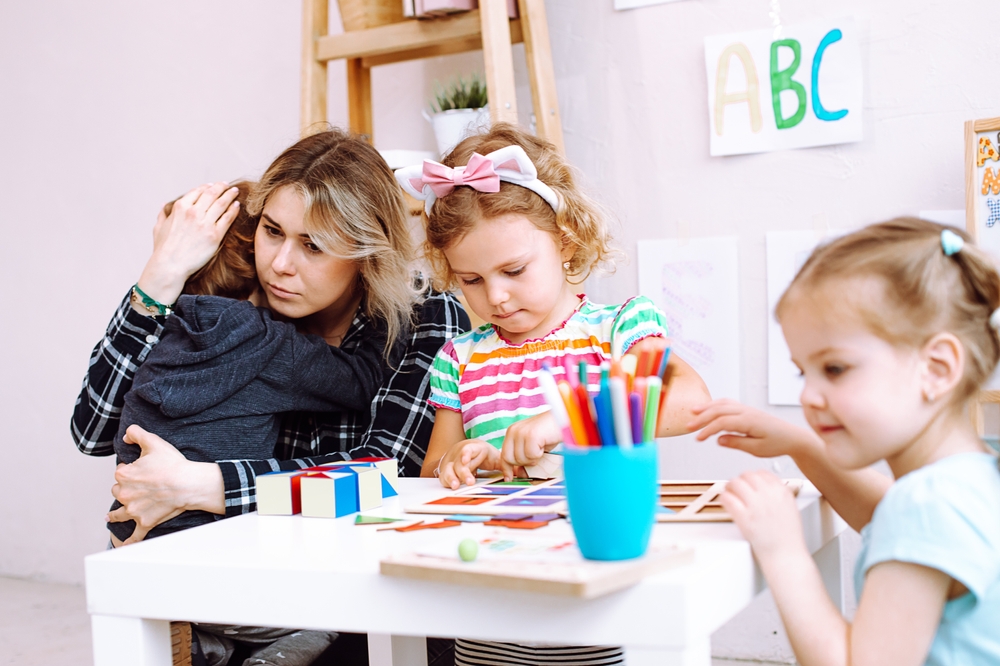
Your preschooler comes home from school and suddenly has a meltdown over something small. Maybe they are unusually irritable, cover their ears, refuse to follow simple directions, or seem unable to settle down. While these behaviors can have many causes, sometimes a child may simply be overwhelmed by everything happening around them. This is often referred to as overstimulation.
Preschoolers are still learning how to process emotions, sounds, activity, social interactions, and changes in their environment. Sleep can also play a role. The CDC recommends that children ages 3 to 5 get 10 to 13 hours of sleep per 24 hours, including naps, and insufficient sleep can affect attention and behavior. Recognizing when your child may need less stimulation and more time to reset can help you respond with patience and support.
Key Takeaways
- Overstimulation happens when a child feels overwhelmed by too much input
- Irritability, crying, restlessness, and withdrawal can be signs
- Noise, busy schedules, screens, transitions, and tiredness may contribute
- Quiet spaces, simple choices, and calming routines can help
- Supportive preschool environments help children learn and interact comfortably
What Is Overstimulation in Preschoolers?
Overstimulation happens when a child is exposed to more sensory, emotional, or environmental input than they can comfortably process at that moment. For a preschooler, an ordinary day can include many different experiences: classroom activities, conversations with teachers and classmates, background noise, transitions, movement, new instructions, and unfamiliar situations.
Young children are still developing the ability to regulate their emotions and respond appropriately to these experiences. As a result, they may become overwhelmed more quickly than older children or adults. Overstimulation does not necessarily mean that something is wrong with your child. It can simply be a sign that they need a break, a quieter environment, or help transitioning from one activity to another. It is also important to remember that similar behaviors can have many different causes. Hunger, tiredness, frustration, illness, changes at home, or normal preschool behavior can sometimes look similar to overstimulation.
What Are the Signs of Overstimulation in Preschoolers?
Recognizing patterns in your child’s behavior can help you determine when they may need some extra downtime. Signs can vary from one child to another, but parents may notice changes such as:
1. Increased Irritability
A child who is usually easygoing may suddenly become frustrated or upset. Small problems, such as being asked to clean up a toy or choose between two snacks, may trigger a much bigger reaction than expected.
2. Crying or Meltdowns
Some preschoolers respond to feeling overwhelmed by crying fits, yelling, throwing themselves on the floor, or becoming upset over seemingly minor situations. These reactions can be a child’s way of communicating that they have reached their limit.
3. Covering Their Ears or Avoiding Noise
If your preschooler suddenly covers their ears, complains that something is too loud, or tries to move away from a noisy environment, they may be having difficulty managing the amount of sensory input around them.
4. Restlessness or Constant Movement
Overstimulation does not always look like withdrawal. Some children become more active when they are overwhelmed. They may run around, jump from one activity to another, interrupt others, or have difficulty sitting still.
5. Difficulty Following Directions
A preschooler who normally follows simple instructions may suddenly seem unable to listen or complete a familiar task. When a child is overwhelmed, adding more instructions may make the situation more difficult.
6. Withdrawing From Others
Other children may respond by becoming quiet or avoiding interaction. Your preschooler may move to a corner, refuse to participate, or ask to be alone after a busy activity or social experience.
7. Trouble Settling Down
An overstimulated child may have difficulty transitioning into quieter activities, eating dinner, taking a nap, or getting ready for bed. Their body may seem tired while their behavior remains highly active.
What Can Cause Preschool Overstimulation?
There is no single cause of overstimulation. Often, it is the result of several experiences building up throughout the day.
Busy environments: Crowded rooms, loud sounds, constant conversation, bright lights, or lots of movement can be difficult for some children to process.
Too many activities: Preschoolers need opportunities for active play and learning, but an overly packed schedule can leave little time to rest and reset.
Transitions: Moving from one activity to another can be challenging, especially when a child does not know what is coming next.
Screen time: Fast-moving images, sounds, and frequent changes in content can be highly stimulating. Parents can consider whether screens are making it harder for their child to transition into quieter activities.
Lack of sleep: When children are tired, they may have a harder time managing emotions and responding to everyday frustrations.
Strong emotions: Excitement, frustration, fear, or anxiety can also contribute to a child feeling overwhelmed.
Overstimulation vs. Typical Preschool Behavior
One of the hardest parts for parents is knowing whether a behavior is simply normal for a preschooler or a sign that their child needs a break. Preschoolers naturally have moments when they cry, resist instructions, become energetic, or struggle with transitions. These behaviors are part of learning emotional regulation and developing independence.
Instead of focusing on one isolated behavior, look for patterns and circumstances. Does your child become especially upset after a long day? Does their behavior change in crowded or noisy places? Do they struggle after several activities without a break? Do they settle more easily when you move to a quiet environment?
Looking at what happens before and after a behavior can give you useful information. Parents can also communicate with their child’s teacher. Teachers observe children in group settings and may notice patterns that are difficult to see at home. Sharing observations can help families and educators understand what situations support the child’s comfort and participation.
How to Calm an Overstimulated Preschooler
When a child is already overwhelmed, adding more questions, instructions, or consequences may not help immediately. Instead, focus on helping them move toward a calmer state.
Create a Quiet Space
Give your child a comfortable place away from unnecessary noise and activity. This does not have to be a special room. A quiet corner, bedroom, or peaceful area of the home may be enough.
Reduce Extra Stimulation
Turn down the television, put away noisy toys, dim bright lights if appropriate, and limit the number of people talking to your child at once.
Keep Your Voice Calm
Your tone can influence the atmosphere around your child. Speak slowly and use simple language. Instead of asking several questions, offer one clear statement at a time.
Offer Simple Choices
Too many choices can make an overwhelmed child feel even more frustrated. Try offering two options: “Would you like to sit on the couch or in your room?” Giving your child a small amount of control can make a transition easier.
Try a Calming Activity
Quiet activities such as looking at books, drawing, building with blocks, listening to soft music, or sitting together can give children an opportunity to reset.
Allow Time to Recover
Your preschooler may not be ready to talk about what happened immediately. Once they are calm, you can gently discuss what they experienced and help them identify what might help next time.
Creating a Calmer Daily Routine
Parents cannot remove every source of stimulation from a child’s life—and they do not need to. Preschoolers need opportunities to learn, play, explore, socialize, and experience new things.
The goal is to create a healthy balance between active experiences and periods of rest. A predictable routine can help. Try keeping consistent times for waking up, meals, preschool, play, quiet activities, and bedtime. Preparing your child before transitions can also make changes easier. For example, give a simple reminder that it will soon be time to clean up and move to another activity.
Protecting sleep is another important part of a child’s routine. The CDC recommends 10 to 13 hours of sleep per day for children ages 3 to 5, including naps. A consistent bedtime and calming pre-bed routine can help children get the rest they need.
It can also help to avoid filling every part of the day with structured activities. Unstructured play and quiet time give preschoolers opportunities to slow down, use their imagination, and process their experiences.
How Preschool Environments Can Help
A child’s preschool environment can influence how comfortably they participate in daily learning and social experiences. Predictable routines, age-appropriate activities, supportive teachers, and clear expectations can help children understand what to expect throughout the day.
At The Lighthouse School, children learn through active involvement, meaningful experiences, and systematic instruction from caring and qualified teachers. The school’s approach supports children’s cognitive, emotional, physical, and social development while providing a structured early learning environment.
Teachers can also help children navigate transitions, participate in group activities, communicate their needs, and develop age-appropriate emotional and social skills. When parents and teachers communicate regularly, they can share observations and work together to support each child’s individual needs.
When Should Parents Seek Additional Guidance?
Occasional meltdowns or difficult transitions are common during the preschool years. However, if you consistently notice behaviors that concern you, it is worth discussing them with your child’s pediatrician or another qualified child-development professional.
Consider seeking guidance if your child frequently becomes overwhelmed, if reactions significantly interfere with daily activities, or if you have concerns about your child’s communication, development, sleep, behavior, or ability to participate in everyday settings. You do not need to determine the cause on your own. A qualified professional can help you understand what may be contributing to your child’s behavior and whether additional support would be appropriate.
Helping Children Build Confidence Through Early Learning
A supportive preschool environment plays an important role in helping children develop social skills, confidence, independence, and positive relationships. Through classroom routines, guided play, and daily interactions with teachers and classmates, children learn how to communicate, cooperate, solve problems, and build meaningful friendships.
As a faith-based early learning school, The Lighthouse School in Willis provides a nurturing environment where children are encouraged to grow socially, emotionally, and academically. Our preschool programs include structured activities, caring teacher guidance, and opportunities for children to practice important learning skills while building confidence and a love for learning.
Want to learn more about our preschool programs? Contact us today to discover how The Lighthouse School helps children develop the skills and confidence they need to learn, grow, and thrive.