936-856-7894


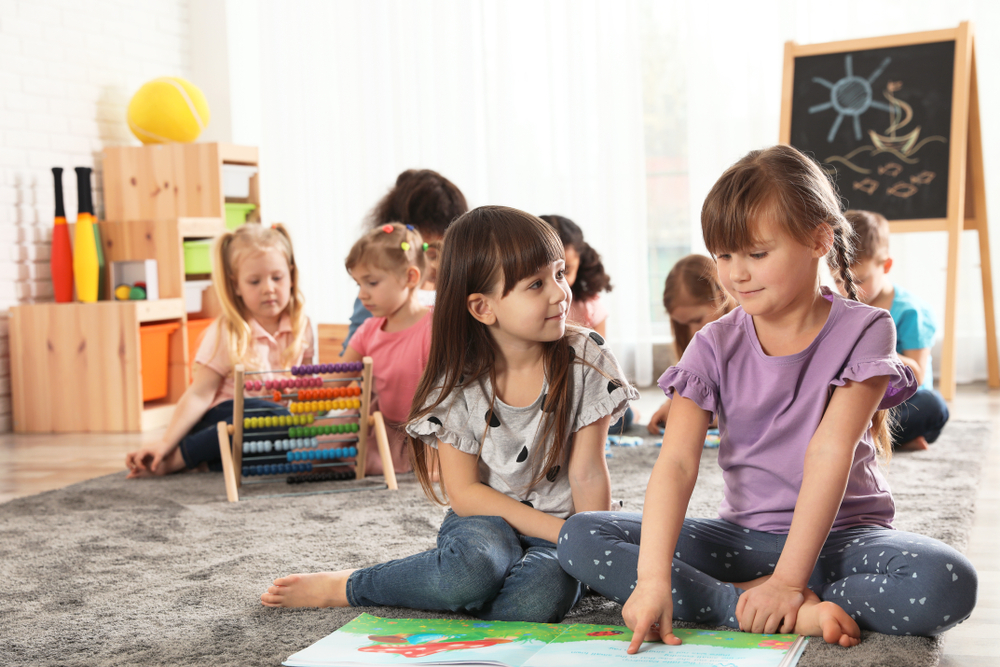
Preschool is an important time for children to develop social skills alongside early academics. As they interact with classmates, they learn how to share, communicate, cooperate, solve problems, and build friendships. These daily experiences help children gain confidence and prepare for future learning.
According to the Centers for Disease Control and Prevention (CDC), important social and emotional milestones for preschoolers include noticing and playing with other children, asking to join play, and showing empathy by comforting others who are hurt or sad. While some children make friends easily, others need more time and encouragement. With support from parents, caregivers, and teachers, every child can develop the confidence and social skills needed to build positive friendships.
Key Takeaways
- Preschool provides daily opportunities for children to practice social skills
- Classroom activities teach teamwork, communication, and cooperation
- Teachers help children navigate emotions and solve conflicts
- Group play encourages friendship-building and confidence
- Structured routines help children feel secure while learning social behaviors
Why Social Skills Matter in Preschool
Preschool provides children with valuable opportunities to develop social skills through daily interactions, activities, and classroom experiences. Social skills are an important part of early childhood development. While children are learning letters, numbers, and classroom concepts, they are also learning how to listen, share, communicate, and work with others.
In preschool, children practice important skills such as:
- Taking turns during activities
- Following classroom expectations
- Expressing their thoughts and feelings
- Working with classmates
- Respecting different ideas and perspectives
These everyday interactions help children become more comfortable participating in groups and forming relationships. Over time, these experiences help children build confidence, independence, and positive communication habits. Strong social skills developed during preschool can support children as they continue learning and interacting with others in future environments.
How Classroom Play Helps Children Build Friendships
Play is one of the most important ways preschoolers learn social skills. Through guided and independent play, children learn how to interact with classmates, share materials, and work toward common goals. These experiences help children practice cooperation, problem-solving, and communication in a fun and supportive environment.
Friendship Skills Developed Through Preschool Activities
Preschool activities are designed to encourage children to interact with their classmates while developing important social skills. Through different types of play and classroom experiences, children learn how to collaborate, communicate, and understand the importance of working together.
| Preschool Activity | Skills Children Practice |
| Building projects | Teamwork and problem-solving |
| Pretend play centers | Communication and creativity |
| Group games | Taking turns and cooperation |
| Art activities | Sharing ideas and materials |
| Outdoor play | Following rules and teamwork |
Each activity gives children a chance to practice friendship skills naturally and engagingly. With guidance from teachers, children learn how to include others, handle small challenges, and build positive relationships with their peers. These early experiences help create a strong foundation for social confidence and future learning success.
How Preschool Teachers Support Social Development
Preschool teachers create a supportive environment where children can practice social skills and learn how to build positive relationships with others. Teachers play an important role in helping children understand friendships and relationships. They model positive communication, encourage kindness, and help children work through disagreements.
Teachers support children by:
- Helping them use words to express feelings
- Encouraging children to include others
- Teaching problem-solving during conflicts
- Recognizing positive social behaviors
- Creating opportunities for teamwork
With consistent guidance, children learn that friendships require patience, respect, and communication. These lessons help children feel more confident interacting with classmates and navigating social situations. By providing encouragement and support, preschool teachers help children develop skills that benefit them both inside and outside the classroom.
Building Communication Skills Through Classroom Experiences
Preschool gives children many opportunities to practice communication naturally throughout the day. From morning greetings to group discussions and classroom activities, children learn how to listen, ask questions, and share ideas. These daily interactions help children become more comfortable expressing themselves and connecting with their classmates.
Teachers help children develop communication skills by encouraging them to speak clearly about their needs, listen when others are talking, ask classmates to join activities, and use respectful words when solving problems. Through these guided experiences, children learn how to communicate their thoughts and feelings in positive ways.
Strong communication skills help children feel more confident when interacting with others and provide an important foundation for building friendships. As children practice these skills in the classroom, they become better prepared to participate in group activities and develop meaningful relationships.
Learning Emotional Skills in a Preschool Environment
Preschool classrooms provide a safe space where children learn how to recognize and manage emotions. Teachers help children identify feelings, understand others’ perspectives, and develop healthy ways to respond.
Through daily interactions, children learn:
- How to express frustration appropriately
- How to comfort friends
- How to handle disappointment
- How to resolve small conflicts
These emotional skills support stronger friendships and classroom relationships. As children practice understanding their emotions, they become more confident in communicating their needs and responding to others. Developing emotional awareness during preschool helps children build positive relationships and prepares them for future social experiences.
How Preschool Routines Help Children Feel Confident
Consistent routines help children understand expectations and feel comfortable in their environment. Knowing what comes next allows children to focus more on learning, participating, and connecting with classmates. A predictable classroom routine gives children a sense of security and helps them feel more confident as they explore new activities and experiences.
Daily routines such as circle time, group activities, meals, and cleanup help children practice:
- Responsibility
- Cooperation
- Independence
- Respect for others
These everyday experiences encourage children to become active participants in the classroom while learning important social behaviors. Over time, structured routines help children develop confidence, build positive habits, and feel prepared to interact with teachers and classmates.
Supporting Shy Children in Preschool
Not every child immediately feels comfortable in a group setting, and that is completely normal. Preschool provides a supportive environment where children can gradually build confidence through repeated interactions with teachers and classmates. With patience, encouragement, and positive experiences, children learn to participate at their own pace.
Teachers support children who are slow to warm up by:
- Creating smaller group activities where children feel more comfortable
- Encouraging participation without pressure
- Pairing children with supportive classmates
- Celebrating small social milestones, such as joining an activity or speaking up during discussions
At The Lighthouse School in Willis, teachers create a nurturing classroom environment where every child feels supported and valued. Through structured routines, guided activities, and caring teacher interactions, children have opportunities to build confidence, develop social skills, and form meaningful friendships. Over time, these experiences help children feel more comfortable connecting with others and participating in the classroom community.
Helping Children Build Friendships Through Early Learning
A supportive preschool environment plays an important role in helping children develop social skills, confidence, independence, and positive relationships. Through classroom routines, guided play, and daily interactions with teachers and classmates, children learn how to communicate, cooperate, solve problems, and build meaningful friendships.
As a faith-based early learning school, The Lighthouse School in Willis provides a nurturing environment where children are encouraged to grow socially, emotionally, and academically. Our preschool programs include structured activities, caring teacher guidance, and opportunities for children to practice important friendship skills while building confidence and a love for learning.
Want to learn more about our preschool programs? Contact us today to discover how The Lighthouse School helps children develop the social skills and confidence they need to learn, grow, and thrive.