936-856-7894


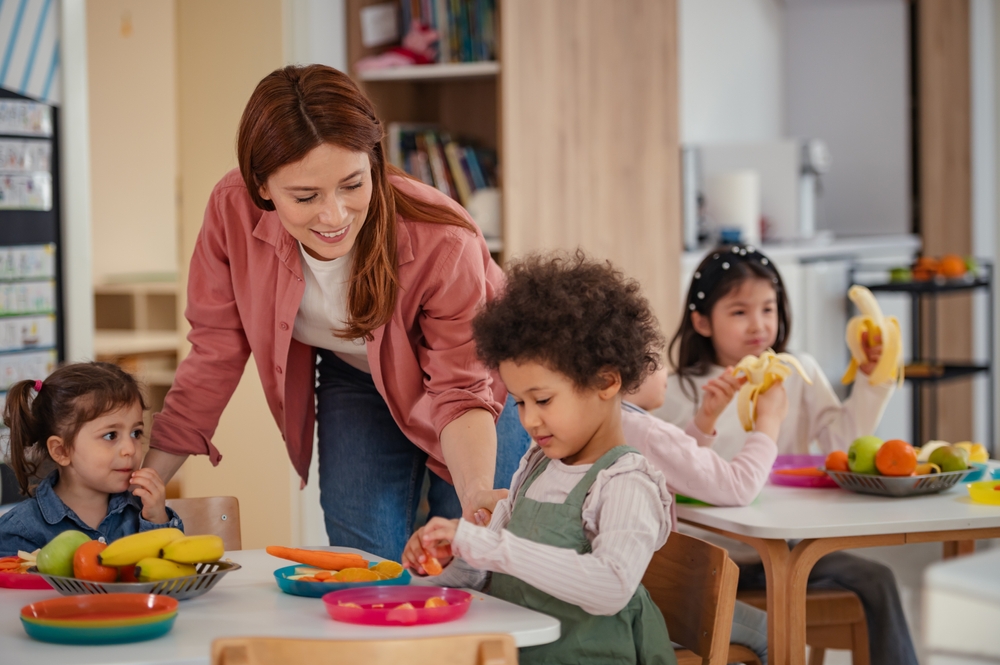
A child’s preschool experience is shaped by more than the lessons they learn. The classroom environment influences how children explore, communicate, build relationships, and develop confidence during their early years. According to the National Institute of Child Health and Human Development (NICHD), children who experience higher-quality early learning environments show stronger language, cognitive, and social development. This highlights the importance of choosing a preschool classroom that supports the whole child, not just early academic skills. Understanding what makes a great preschool classroom can help families recognize the qualities that create a positive foundation for lifelong learning.
Key Takeaways
- A quality preschool classroom supports children’s academic, social, emotional, and physical development
- Safe and organized spaces encourage curiosity, confidence, and independence
- Caring teachers help children develop communication skills and positive relationships
- Purposeful play supports learning through exploration and discovery
- Strong preschool environments prepare children for kindergarten and future success
Why the Preschool Classroom Environment Matters
A preschool classroom is more than a place where children spend their day. It is a space where they learn how to interact with others, solve problems, express themselves, and develop independence. During early childhood, children learn through everyday experiences. The way a classroom is arranged, the activities available, and the relationships children build with teachers all contribute to their growth.
A strong preschool classroom environment provides opportunities for children to explore new ideas while feeling safe, supported, and encouraged. When children feel comfortable in their surroundings, they are more likely to participate, ask questions, and develop confidence as learners.
Features of a High-Quality Preschool Classroom
A high-quality preschool classroom is designed to support every aspect of a child’s development, from early academic skills to social and emotional growth. The environment, materials, activities, and teacher interactions all work together to create meaningful learning experiences. When classrooms are thoughtfully planned, children feel safe, confident, and encouraged to explore new ideas. A strong preschool classroom provides the foundation children need to become curious, independent, and engaged learners.
Safe and Organized Learning Spaces
Safety is one of the most important parts of any early learning environment. A well-designed preschool classroom allows children to explore freely while providing structure and supervision. Quality classrooms typically include child-friendly furniture, clearly defined learning areas, accessible materials, and spaces for both group activities and quiet learning. An organized environment helps children understand expectations and encourages them to take responsibility for their surroundings. When children know where materials belong and how the classroom works, they begin developing important skills such as independence, decision-making, and organization.
Learning Centers That Encourage Exploration
A great preschool classroom gives children opportunities to learn through different types of activities. Well-designed learning centers allow children to explore topics at their own pace while developing important skills through hands-on experiences and guided discovery. These areas create opportunities for children to make choices, practice independence, and engage with materials in meaningful ways.
Learning centers may include areas for:
- Reading and language development
- Art and creativity
- Building and construction
- Science exploration
- Dramatic play
- Mathematics activities
- Sensory experiences
These areas allow children to follow their interests while developing important skills. For example, building with blocks encourages problem-solving and spatial awareness, while dramatic play helps children strengthen communication and social skills. A quality preschool classroom does not rely only on direct instruction. It creates opportunities for children to discover concepts through hands-on experiences.
Materials That Support Early Learning
The materials available in a preschool classroom play an important role in encouraging curiosity and creativity. Effective classrooms include resources that are age-appropriate, engaging, and designed to support different areas of development. Books, puzzles, art supplies, manipulatives, and sensory materials help children practice skills while exploring new concepts. Teachers often update or rotate classroom materials to introduce new challenges and keep children engaged. This approach encourages problem-solving and helps children develop a positive attitude toward learning.
The Importance of Teacher-Child Relationships
A classroom environment is shaped not only by its physical space but also by the relationships within it. Preschool teachers play an important role in helping children feel valued, understood, and confident. Through positive interactions, teachers encourage children to communicate, manage emotions, solve problems, and build relationships with others.
A caring teacher does more than provide instruction. They observe children’s interests, ask thoughtful questions, provide guidance, and create opportunities for children to learn at their own pace. Strong teacher-child relationships help children feel secure, which allows them to participate more fully in classroom activities.
How Preschool Classrooms Support Child Development
A strong early learning environment focuses on the development of the whole child. Preschool classrooms support growth across multiple areas by providing opportunities for children to build cognitive, social, emotional, physical, and creative skills. A consistent preschool routine helps children feel secure, understand expectations, and develop independence as they participate in daily classroom activities. Through meaningful activities and positive interactions, children develop the confidence and abilities they need for future learning success.
| Development Area | Classroom Support |
| Cognitive Development | Problem-solving, early literacy, math concepts, and exploration |
| Language Development | Conversations, storytelling, reading, and vocabulary building |
| Social Development | Cooperation, sharing, communication, and teamwork |
| Emotional Development | Confidence building, self-regulation, and positive relationships |
| Physical Development | Outdoor play, movement activities, and fine motor practice |
| Creative Development | Art, music, imagination, and self-expression |
By supporting each area of development, preschool classrooms help children build important skills that contribute to their overall growth. These skills provide a strong foundation that supports children throughout their educational journey and prepares them for future learning experiences.
Why Play Is Essential in Early Childhood Learning
Play is one of the most important ways young children learn. Through play, children practice communication, creativity, problem-solving, and social skills. Activities such as pretend play, building projects, art, and group games allow children to explore ideas while developing important abilities.
Purposeful play combines enjoyment with learning. A teacher may use a building activity to introduce early engineering concepts or use storytelling to strengthen language skills. In a strong early childhood learning environment, play is not separate from education. It is one of the primary ways children understand the world around them.
The Role of Daily Routines in Preschool Learning
Young children benefit from predictable routines because they create a sense of security and confidence. Consistent daily schedules help children understand expectations, develop independence, and feel comfortable transitioning between activities. Routines also provide opportunities for children to practice important skills such as responsibility, self-regulation, and cooperation throughout the day.
A well-planned preschool schedule may include:
- Morning welcome activities
- Group discussions and lessons
- Learning centers
- Outdoor play
- Meals and quiet time
- Creative activities
- Storytelling and reflection
Consistent routines help children practice independence, manage transitions, and develop self-control. They also allow children to understand what to expect throughout the day.
What Parents Should Look for During a Preschool Tour
Choosing the right preschool involves looking beyond the classroom appearance. Parents should consider how children and teachers interact throughout the day. Pay attention to the learning environment, daily routines, and safety measures during your visit. These observations can help you determine whether the preschool is the right fit for your child.
During a visit, families can look for:
- Children who are actively engaged in activities
- Teachers who communicate warmly and respectfully
- Classrooms that are clean, organized, and welcoming
- Learning materials that children can access independently
- A balance between structured activities and play
- Opportunities for children to make choices
- A safe environment where children feel comfortable
A classroom should feel like a place where children are encouraged to learn, explore, and grow. It should provide a supportive environment where children feel valued, confident, and motivated to participate in new experiences.
High-Quality Preschool Classroom vs. Less Effective Learning Environment
Not all preschool classrooms provide the same learning experience. While classroom design, activities, and materials all play a role, the most important difference is how intentionally the environment supports children’s curiosity, independence, and overall development. A high-quality classroom encourages active participation, meaningful interactions, and opportunities for children to learn through exploration.
| High-Quality Preschool Classroom | Less Effective Learning Environment |
| Children participate in hands-on activities | Children spend most of the day listening |
| Teachers encourage questions and exploration | Teachers provide limited interaction |
| Learning materials support creativity | Activities have fewer learning opportunities |
| Children practice independence | Adults complete most tasks for children |
| Social skills are developed through interaction | Limited opportunities for collaboration |
The difference between classrooms is often found in how intentionally the environment supports children’s development. A thoughtfully designed preschool classroom helps children build confidence, develop important skills, and create a positive attitude toward learning.
Building Confidence Through Early Learning
A great preschool classroom helps children become confident learners. Through exploration, meaningful relationships, structured routines, and hands-on activities, children develop the skills they need to succeed in school and beyond. The best early learning environments recognize that every child develops differently. They provide encouragement, support curiosity, and create opportunities for children to discover their strengths.
Helping Children Build Confidence Through Early Learning
A supportive preschool environment plays an important role in helping children develop social skills, confidence, independence, and positive relationships. Through classroom routines, guided play, and daily interactions with teachers and classmates, children learn how to communicate, cooperate, solve problems, and build meaningful friendships.
As a faith-based early learning school, The Lighthouse School in Willis provides a nurturing environment where children are encouraged to grow socially, emotionally, and academically. Our preschool programs include structured activities, caring teacher guidance, and opportunities for children to practice important learning skills while building confidence and a love for learning.
Want to learn more about our preschool programs? Contact us today to discover how The Lighthouse School helps children develop the skills and confidence they need to learn, grow, and thrive.