936-856-7894


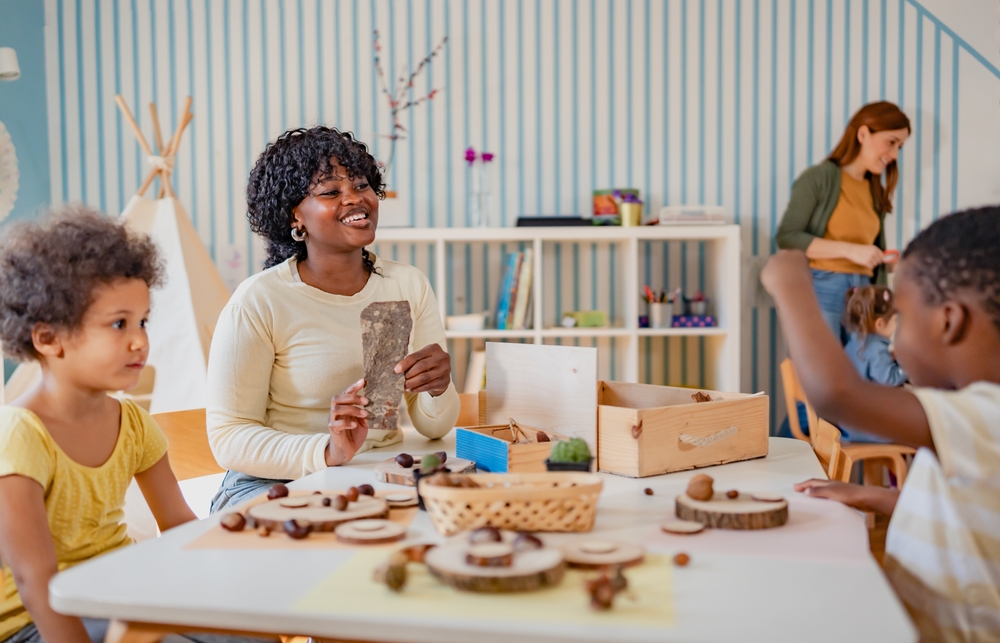
Building a strong connection between home and school starts with clear communication. When parents and teachers stay connected, children receive consistent support in both places, which helps them learn and grow more effectively. Research shows that preschool children whose teachers report high-quality communication with parents are more engaged in the classroom, which is strongly linked to better learning outcomes.
It also helps children feel safe and understood. When they see the adults around them working together, they feel more confident and comfortable. This sense of stability can improve their behavior, boost their confidence, and make them more ready to learn. Strong communication is not just a bonus. It is a key part of a positive preschool experience.
Key Takeaways
- Strong parent-teacher communication supports a smoother transition between home and school
- Parent involvement is linked to higher confidence and better learning outcomes in children
- Regular teacher feedback helps reinforce learning and development at home
- Consistent communication supports emotional growth and stability
- Clear collaboration builds trust between families and schools
The Importance of Parent Involvement in Preschool Education
Active parent involvement supports better learning outcomes. When parents take part in school activities and stay informed, children benefit from a more consistent learning experience. This helps reinforce what they learn in the classroom.
Parents who stay engaged also show children that education matters. This can increase a child’s interest in learning and encourage participation. Simple actions like asking about their day or helping with activities can make a difference.
Sharing information about a child’s habits, strengths, and challenges also helps teachers. This allows teachers to adjust their approach and provide better support. When both sides share insights, the child receives more effective guidance.
Parent involvement also supports a positive school environment. It creates a sense of community where children feel supported by both teachers and families.
How Parent and Teacher Partnerships Benefit the Child
A strong partnership between parents and teachers supports a child’s overall development. When both work together, children receive clear and consistent messages about learning and behavior.
This consistency improves academic performance. Children understand expectations better and are more likely to stay focused. It also helps build strong learning habits early on.
Partnerships also support emotional growth. Children feel more secure when they see cooperation between home and school. This can improve confidence and social skills.
Early collaboration also helps identify concerns. Teachers can share observations, and parents can provide context. This allows both sides to address issues early and support the child effectively.
The Role of Teacher Communication in Preschool Development
Teachers provide regular updates on a child’s progress. This includes academic performance, behavior, and social interaction. These insights help parents understand how their child is developing.
Teachers also share simple strategies that parents can use at home. These may include learning activities or behavior techniques. Applying these methods at home supports consistent development.
Open communication builds trust. When teachers share goals and expectations, parents feel more confident in the learning process. This transparency helps create a strong partnership.
Teachers also guide parents through key developmental stages. They help explain milestones and what to expect at each stage. This helps parents support their child more effectively.
Communication Strategies That Strengthen Parent-Teacher Relationships
Regular communication helps build strong relationships. Simple updates keep parents informed and involved in their child’s daily experiences.
Parent-teacher meetings provide time for detailed discussions. These meetings help address concerns and track progress. They also allow both sides to plan next steps.
Digital tools make communication easier. Schools can share updates, photos, and messages in real time. This keeps parents connected even during busy schedules.
Classroom involvement also strengthens relationships. When parents participate in activities, they better understand the learning environment. This builds trust and improves communication.
Clear and respectful communication is essential. When both sides listen and respond with understanding, the relationship becomes stronger.
Overcoming Challenges in Parent-Teacher Communication
Communication challenges can occur, but they can be managed with the right approach. One common issue is language differences. Schools can support this by offering translated materials or simple communication tools.
Time constraints can also make communication difficult. Flexible meeting options and digital updates can help parents stay informed.
Some conversations may feel uncomfortable, especially when discussing concerns. A respectful and calm approach helps build trust. Both parents and teachers should focus on solutions rather than problems.
Active listening is important. When both sides take time to understand each other, communication improves. This leads to better outcomes for the child. For example, understanding behavioral responses like crying fits in early childhood can help teachers and parents respond more effectively to emotional situations:
Building Strong Parent-Teacher Communication in Preschool
Strong parent-teacher communication is essential for supporting a child’s early learning and development. Regular updates, open discussions, and shared goals help create a consistent environment where children feel supported both at home and in school. This consistency builds confidence, improves behavior, and strengthens learning outcomes.
As a trusted preschool in Willis, Texas, Lighthouse Willis provides a supportive environment where communication between families and teachers is a priority. With experienced educators, structured programs, and a focus on early childhood development, we help families stay involved and connected throughout their child’s learning journey.
Are you ready to strengthen your child’s preschool experience through better communication and support? Contact us today to learn more about programs designed to help children grow with confidence and care.