936-856-7894


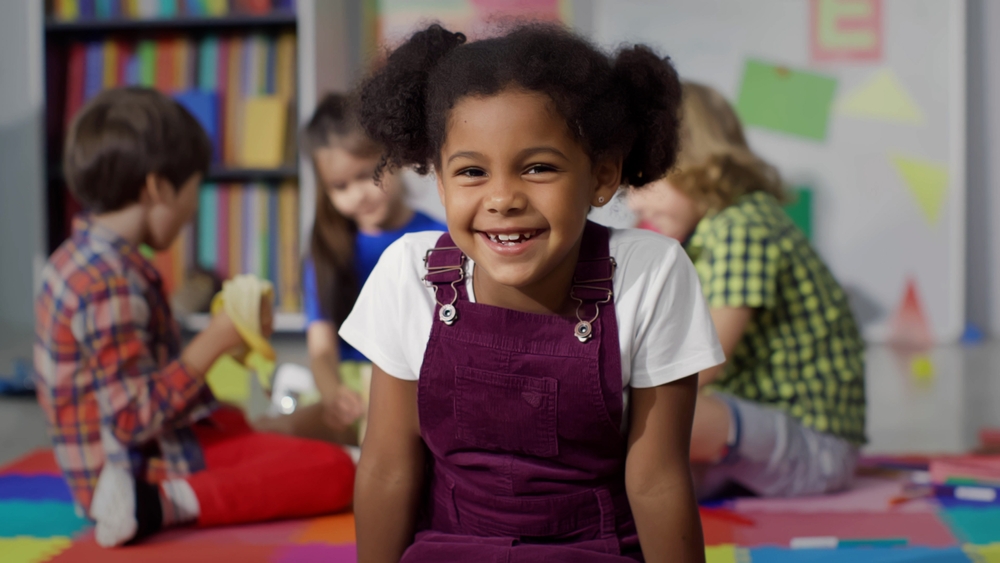
Learning to share, show kindness, and respect others is an important part of early childhood development. During the preschool years, children begin building relationships outside their families, interacting with classmates, participating in group activities, and learning how their actions affect the people around them. These everyday experiences provide valuable opportunities to develop social skills that support positive relationships and emotional growth.
However, young children do not automatically understand how to share, take turns, or recognize another person’s feelings. These behaviors develop gradually through observation, practice, encouragement, and consistent guidance from parents and teachers. Simple experiences, such as sharing toys, helping a friend, listening when someone speaks, and using polite words, can help preschoolers understand what kindness and respect look like in everyday life. Teaching these values early does more than encourage good classroom behavior. It helps children develop empathy, cooperation, patience, and the ability to build meaningful friendships.
Key Takeaways
- Sharing helps children develop cooperation and patience
- Kindness encourages empathy and positive relationships
- Respect teaches children to value others’ feelings and boundaries
- Everyday activities provide opportunities to practice positive behaviors
- Parents and teachers play an important role in modeling these values
1. Why Sharing, Kindness, and Respect Matter in Early Childhood
The preschool years are an important time for developing social and emotional skills. As children spend more time interacting with peers and adults, they begin learning how to cooperate, communicate, manage emotions, and understand different perspectives.
Sharing, kindness, and respect are closely connected to these skills. They help children understand how to participate in group activities, respond to others’ needs, and build positive relationships.
Here is why each value matters:
- Sharing: Helps children learn cooperation, turn-taking, patience, and consideration for others
- Kindness: Encourages children to recognize feelings, offer help, and develop empathy
- Respect: Teaches children to listen, use thoughtful language, follow boundaries, and appreciate differences
These skills do not develop overnight. A preschooler may understand that sharing is important but still struggle when another child wants a favorite toy. This is a normal part of learning social behavior. Rather than expecting children to demonstrate perfect behavior, adults can provide consistent guidance and opportunities to practice these values. With time and encouragement, children can become more comfortable interacting with others and handling everyday social situations.
2. How Preschoolers Learn to Share With Others
Sharing can be challenging for young children, particularly when they are attached to a favorite toy, activity, or personal belonging. At this age, children are still developing self-regulation and learning to understand that other people have needs and feelings too. Parents and teachers can make learning to share easier by introducing simple, age-appropriate experiences.
Teach Turn-Taking Through Everyday Activities
Turn-taking is one of the easiest ways to introduce sharing. Encourage children to take turns using toys, playing games, or participating in group activities. For example, when two preschoolers want to use the same set of building blocks, a teacher can help them agree on taking turns. Simple phrases such as “You can use it first, and then your friend can have a turn” help children understand the process.
Use Group Play to Encourage Cooperation
Group activities give children opportunities to work toward a shared goal. Building a block tower, completing a puzzle, or creating an art project together can help preschoolers understand the importance of cooperation. These experiences also encourage communication and problem-solving as children learn to make decisions together.
Explain Why Sharing Matters
Instead of simply telling children to share, explain how their actions can make others feel. For example, a parent or teacher might say, “When you let your friend have a turn, you both get to enjoy the game.” Using simple explanations helps children gradually understand the purpose of sharing rather than viewing it as just another classroom rule.
Recognize Positive Sharing Behavior
When children take turns or share materials, acknowledge their efforts with specific encouragement. You might say, “I noticed you gave your friend a turn with the crayons. That was thoughtful.” Recognizing these small moments helps children understand which behaviors support positive interactions.
Remember: Sharing should be taught gradually. Children should also learn that they can have personal belongings and that respecting another person’s boundaries is part of being considerate.
3. Simple Ways to Teach Kindness in the Classroom
Kindness is an important social skill that children can develop through small, everyday actions. Preschool classrooms provide many opportunities for children to practice being thoughtful, helpful, and considerate toward others. Teachers can introduce kindness through simple lessons and regular classroom interactions.
Encourage Helpful Behavior
Give children small opportunities to help their classmates and teachers. Activities such as handing out classroom supplies, putting away toys, helping a friend pick up dropped materials, or preparing the classroom for an activity can encourage helpfulness. These experiences show children that even small actions can make a positive difference.
Teach Children to Use Kind Words
Introduce simple expressions such as:
- Please
- Thank you
- You’re welcome
- Are you okay?
- Can I help you?
- Would you like to play?
Encourage children to use these expressions during everyday conversations. Teachers can also model respectful language when speaking with children and other adults.
Help Children Recognize Others’ Feelings
Preschoolers are still learning to identify and understand emotions. Teachers can use picture books, storytelling, and classroom conversations to introduce different feelings.
For example, ask questions such as:
- How do you think the character feels?
- What could we do to help someone who is sad?
- How might your friend feel if you invite them to play?
These conversations encourage children to think about experiences from another person’s perspective.
Celebrate Acts of Kindness
Recognize thoughtful actions when they happen naturally. A child who comforts a classmate, shares classroom materials, or welcomes someone into a game is demonstrating kindness. Teachers can acknowledge these moments without turning kindness into a competition or expecting children to behave kindly just to receive rewards.
4. Helping Young Children Understand Respect
Respect is more than using polite words. It also involves understanding personal boundaries, listening to others, accepting differences, and treating people thoughtfully. Preschoolers learn these behaviors through consistent examples and everyday practice.
Teach Children to Listen to Others
Encourage children to pay attention when someone is speaking. During group discussions, storytelling, or classroom activities, demonstrate how to listen without interrupting. Simple reminders such as “Let’s listen while our friend is talking” help establish respectful communication habits.
Introduce Personal Space and Boundaries
Children need guidance to understand that everyone has personal space and boundaries. Teach them to ask before taking another person’s belongings, respect a friend’s decision not to participate in a game, and understand that physical affection should be welcomed rather than forced. For example, instead of insisting that a child hug someone, encourage alternatives such as waving, smiling, or saying goodbye.
Help Children Appreciate Differences
Preschool classrooms bring together children with different personalities, interests, family backgrounds, and abilities. Teachers can use stories, classroom conversations, music, and group activities to help children understand that people may have different preferences and experiences. Encourage children to include classmates in activities and treat everyone with consideration.
Model Respectful Behavior
Children often learn by observing adults. When parents and teachers listen carefully, speak calmly, apologize when necessary, and respect children’s feelings, they demonstrate what respectful behavior looks like. Modeling these actions consistently can help children understand how to treat others.
5. Fun Sharing and Kindness Activities for Preschoolers
Children often learn social skills more naturally when they are introduced through enjoyable, hands-on experiences. Activities that involve cooperation, creativity, and group participation can make lessons about kindness and respect easier to understand. Here are five simple activities for preschool classrooms and families.
1. The Kindness Tree
Create a paper tree and prepare colorful paper leaves or heart shapes. Whenever a child performs a thoughtful action, invite them to add a leaf or heart to the tree. Teachers can discuss examples such as helping a classmate, sharing materials, or welcoming a new friend. This activity helps children recognize positive actions and understand how small acts of kindness contribute to a caring classroom.
2. Sharing Circle
Arrange a group activity where children take turns choosing and sharing classroom materials. This could include building blocks, crayons, picture books, or simple toys. Teachers can guide children through taking turns and using polite expressions when asking for something. The activity encourages patience, communication, and cooperation.
3. Kindness Storytime
Choose age-appropriate picture books that introduce friendship, empathy, helping others, and respect. After reading, ask children what the characters did to help one another and how different characters might have felt. Storytime provides a comfortable way to introduce social situations and discuss positive choices.
4. Helping Hands Activity
Create a simple classroom activity in which children help with small responsibilities, such as arranging books, organizing toys, or distributing supplies. Explain how helping one another makes shared spaces more enjoyable. This activity encourages responsibility, teamwork, and consideration for others.
5. Friendship Art Project
Invite children to work together on a large art project using handprints, drawings, stickers, or colorful paper shapes. Each child can contribute something to the same creation. Encourage them to appreciate one another’s ideas and take turns using the materials. This activity promotes creativity, cooperation, and a sense of belonging.
6. How Parents and Teachers Can Reinforce Positive Behavior
Children need consistent guidance from the important adults in their lives. When parents and teachers encourage similar values, preschoolers have more opportunities to practice sharing, kindness, and respect in different environments. Here are some practical ways adults can reinforce these behaviors.
Lead by Example
Children observe how adults communicate and interact with others. Demonstrate kindness by helping people, expressing gratitude, listening patiently, and speaking respectfully. Everyday actions can become valuable learning experiences.
Use Positive and Specific Encouragement
Instead of focusing only on unwanted behavior, recognize positive actions. For example, say, “You waited patiently for your turn” or “You listened when your friend was speaking.” Specific encouragement helps children understand which actions demonstrate consideration for others.
Respond Calmly to Conflicts
Disagreements are a normal part of preschool development. When children argue over toys or struggle to take turns, adults can help them identify the problem and explore possible solutions. For example, ask, “You both want the same toy. What can we do so everyone gets a turn?” This approach encourages communication and problem-solving instead of relying only on punishment.
Create Opportunities for Social Interaction
Arrange playdates, group activities, family games, and classroom projects that allow children to interact with others. These experiences provide opportunities to practice cooperation, communication, and friendship-building skills.
Be Patient With Development
Every child develops social and emotional skills at a different pace. Some children may find sharing easy, while others need more time and adult support. Avoid labeling children as selfish or unkind when they struggle with these behaviors. Instead, identify the specific skill they need help practicing and provide appropriate guidance. Consistency, patience, and encouragement can help children make progress over time.
7. How Preschool Supports Social and Emotional Development
Preschool provides children with opportunities to develop social skills through structured activities, guided play, classroom routines, and everyday interactions. Unlike learning these behaviors only through individual instruction, children can practice them in real situations with classmates and teachers.
A supportive preschool environment can help children:
- Develop communication and listening skills
- Learn to cooperate during group activities
- Understand emotions and recognize others’ feelings
- Practice sharing and taking turns
- Build friendships and a sense of belonging
- Develop confidence when interacting with others
- Learn to manage disagreements with guidance
Teachers play an important role by creating inclusive classrooms where children feel comfortable expressing themselves, asking questions, and participating in activities. Through positive relationships and repeated opportunities to practice, preschoolers gradually develop the social and emotional skills that support their future learning experiences.
Helping Preschoolers Develop Kindness, Respect, and Positive Relationships
Teaching preschoolers about sharing, kindness, and respect plays an important role in their social and emotional development. Through everyday interactions, guided activities, classroom routines, and positive examples, children learn to cooperate, recognize others’ feelings, communicate respectfully, and build meaningful friendships. These early experiences help children develop empathy, patience, confidence, and the social skills they need as they grow.
As a faith-based early learning school, The Lighthouse School in Willis provides a nurturing environment where children are encouraged to grow socially, emotionally, and academically. Through structured activities, caring teacher guidance, and opportunities to interact with classmates, children can practice important values such as kindness, sharing, cooperation, and respect while developing a positive attitude toward learning.
Want to learn more about our preschool programs? Contact us today to discover how The Lighthouse School helps children develop the social skills, confidence, and positive relationships they need to learn, grow, and thrive.